California continues to lead the nation in traffic safety initiatives, frequently updating its Vehicle Code to adapt to emerging technology, protect roadside workers, and lower collision rates on busy roadways. Staying informed about new California traffic laws is essential not only for avoiding costly citations, but also for understanding your legal rights and liability if you are involved in a motor vehicle collision.
In this comprehensive legislative update, our traffic accident attorneys examine key statutory changes, expanded automated speed safety enforcement, stricter penalties for hit-and-run and license plate tampering, and how these rules directly influence personal injury claims.
1. Expanded “Slow Down, Move Over” Requirements (AB 390)
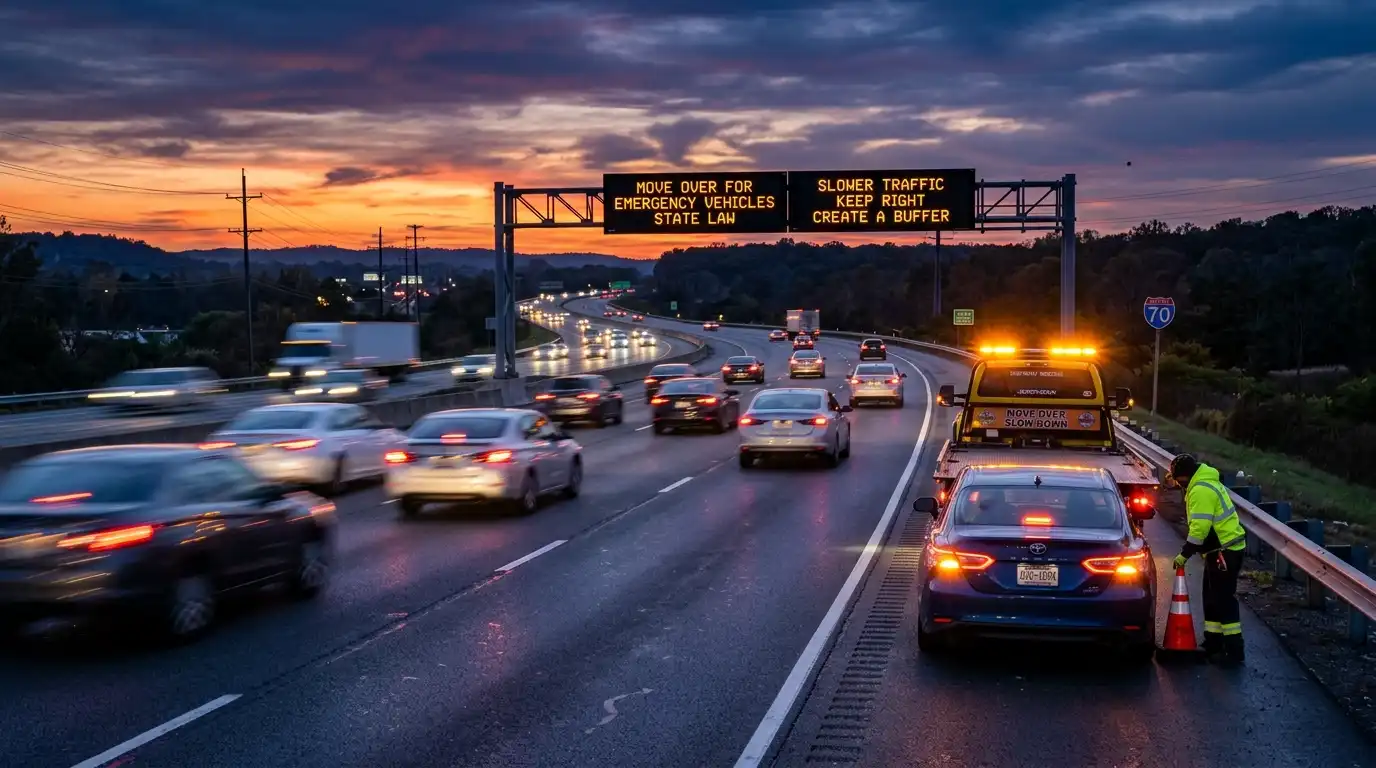
California’s existing “Move Over” law previously required drivers approaching stationary emergency vehicles or tow trucks with flashing lights to change lanes or slow down. Legislative updates under AB 390 significantly broaden these protections to safeguard all roadside workers and stranded motorists.
Under the expanded framework, drivers on multi-lane highways must move over one lane when approaching any stationary vehicle displaying activated hazard lights, emergency flares, or warning cones. If moving over is unsafe or impossible due to heavy traffic, drivers are legally required to slow down to a reasonable and prudent speed.
Why It Matters for Liability Claims
Failure to move over or slow down when approaching a stopped vehicle constitutes a direct traffic violation. If a motorist strikes a parked maintenance truck, utility worker, or disabled vehicle, violating AB 390 can establish statutory negligence (negligence per se), making it significantly easier for injured victims to hold the at-fault driver liable in a personal injury lawsuit.
2. Automated Speed Cameras & Expanded Speed Enforcement
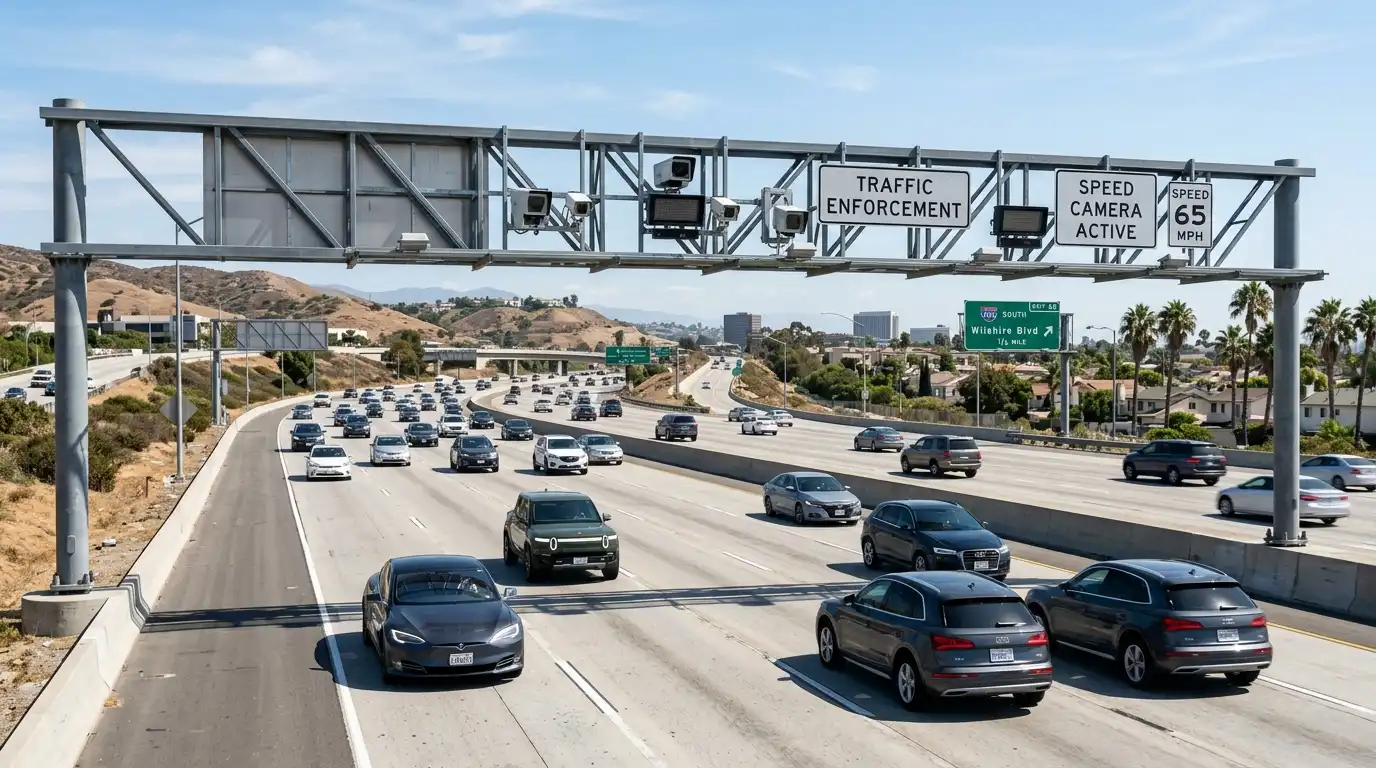
To combat rising fatality rates linked to excessive speed, California introduced pilot programs allowing select municipalities—including Los Angeles, San Jose, San Francisco, Oakland, Long Beach, and Glendale—to deploy automated speed safety system cameras in designated high-risk zones.
- School Zones & High-Injury Corridors: Automated speed cameras are stationed primarily near school grounds and streets identified as high-collision corridors.
- Warning Periods & Civil Penalties: Initial implementation phases mandate a 60-day warning period before issuing monetary citations. Citations captured by these systems function as civil penalties rather than criminal points on a driver’s DMV record.
- School Zone Speed Reductions (AB 382): Local authorities have been granted expanded discretion to lower speed limits in active school zones down to 20 mph, establishing strict speed boundaries during peak pickup and drop-off hours.
For official information regarding driver licensing, vehicle registration updates, and official legislative announcements, visit the California Department of Motor Vehicles (DMV) website.
3. Stricter Penalties for License Plate Obstruction (AB 1085)
With automated tolling, red-light cameras, and speed enforcement systems expanding state-wide, lawmakers have cracked down on drivers attempting to evade detection using anti-camera license plate covers or modified reflective coatings.
Under AB 1085, manufacturing, selling, or using any product or clear cover designed to obscure a license plate from electronic optical readers or toll enforcement cameras is explicitly illegal, carrying steep fines up to $1,000 per violation. Driving a vehicle with an obscured, tinted, or physically altered plate is classified as a punishable traffic infraction.
Impact on Hit-and-Run Investigations
License plate tampering frequently overlaps with hit-and-run incidents. Obscured plates make it difficult for eye witnesses and traffic surveillance cameras to identify fleeing drivers after a collision. Law enforcement agencies are actively impounding non-compliant vehicles involved in hit-and-run crashes, while personal injury attorneys utilize nearby commercial security cameras and traffic logs to track down at-fault motorists.
4. Autonomous Vehicle Regulations & Automated Driving Systems
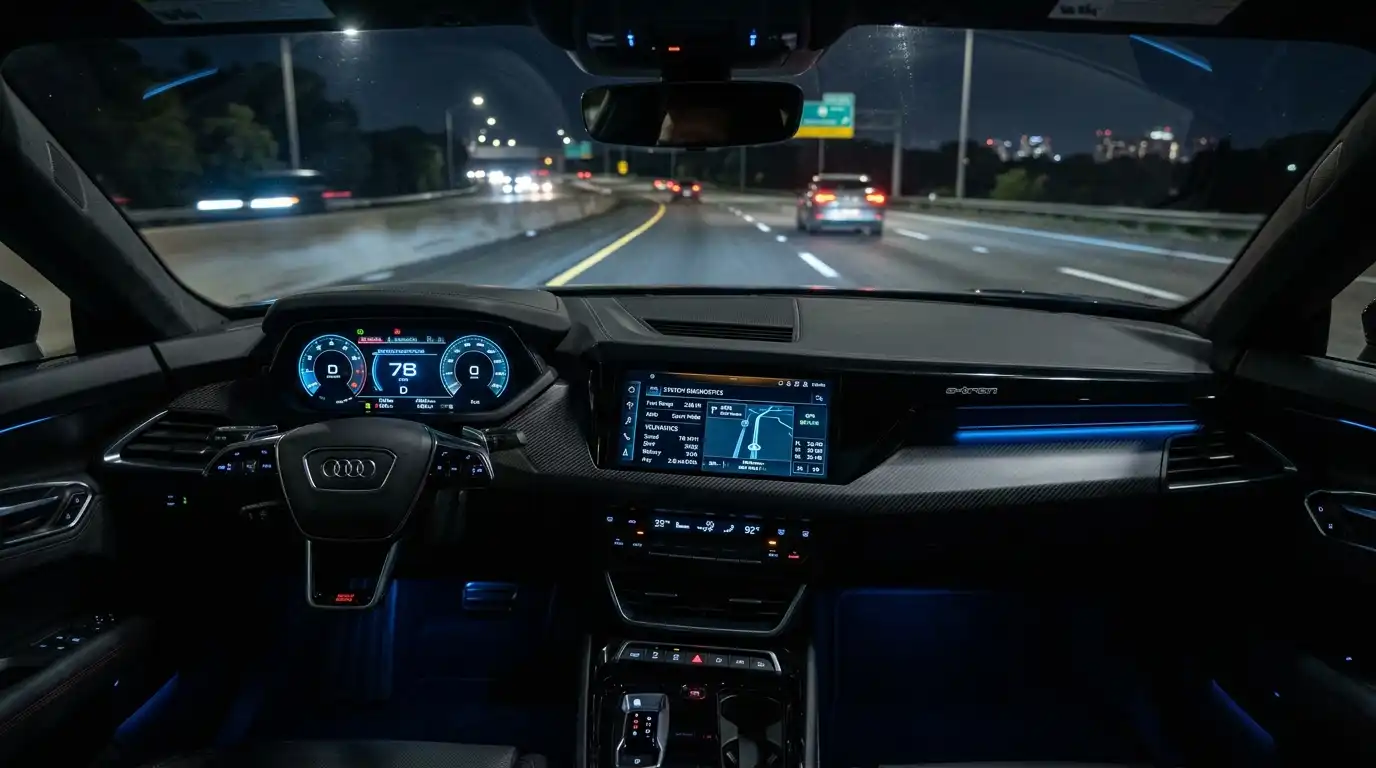
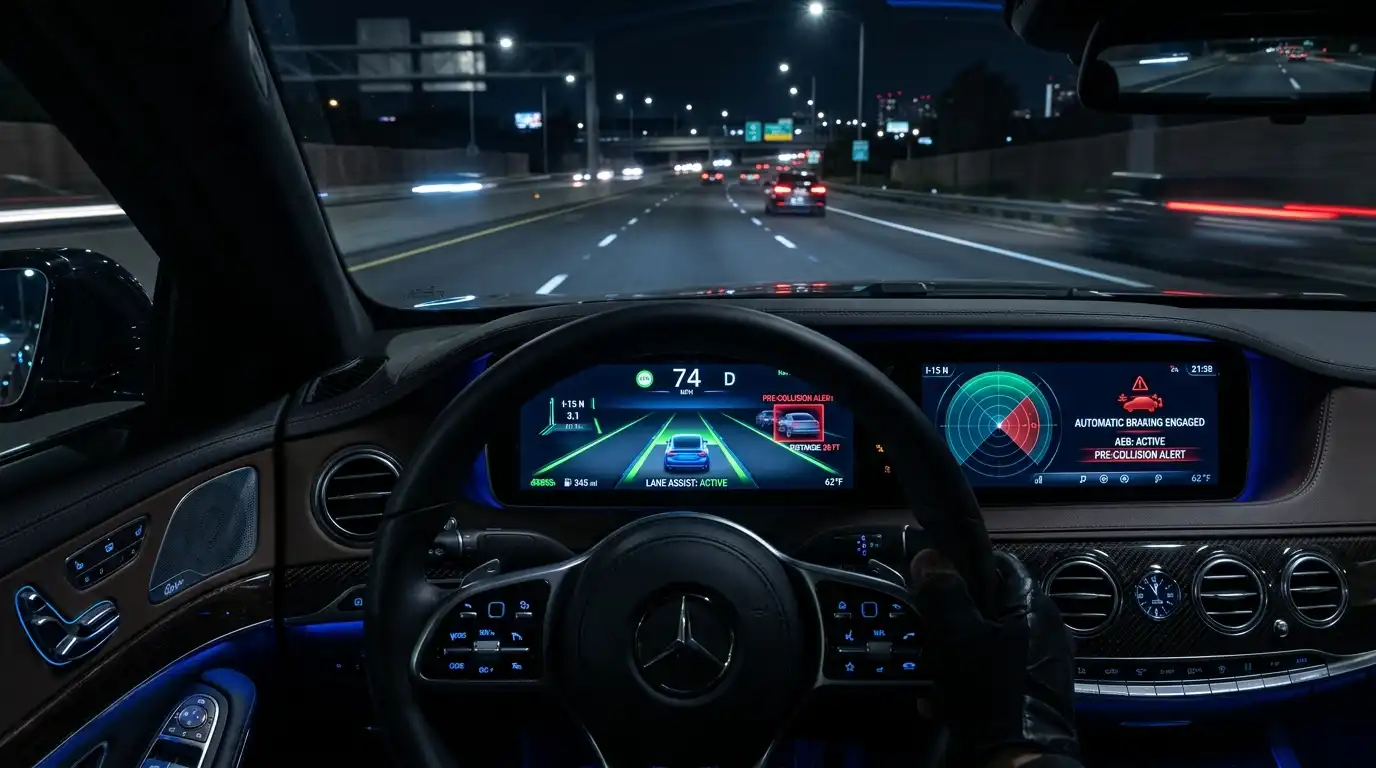
As self-driving technology and driver-assist features become commonplace on California roadways, state regulators have established clear guidelines surrounding autonomous vehicle (AV) operations and collision liability.
- AV Noncompliance Notices (AB 1777): Law enforcement officers are authorized to issue official notices of noncompliance to AV manufacturers when a self-driving vehicle commits a moving violation.
- First Responder Communication Mandates: Manufacturers operating AVs on public streets are required to equip self-driving systems with two-way communication devices allowing first responders to interact directly with remote vehicle operators during emergencies or roadside stops.
- ADS Marker Lamps (SB 480): Autonomous vehicles may now utilize specialized external marker lamps to notify surrounding drivers, cyclists, and pedestrians when the automated driving system is actively controlling the vehicle.
5. Impaired Driving Penalties & Ignition Interlock Expansion (AB 366 & AB 1087)
Driving under the influence (DUI) remains a leading cause of catastrophic auto accidents across California. Recent legislative measures reinforce existing penalties to deter drunk and drug-impaired driving:
AB 366 extends the statewide Ignition Interlock Device (IID) pilot program. Under this law, individuals convicted of DUI offenses—including repeating offenders and specific first-time offenders involving injury—must install an IID breathalyzer in their vehicle to prevent the engine from starting if alcohol is detected. Additionally, AB 1087 increases mandatory probation periods from two years up to five years for convictions involving vehicular manslaughter while intoxicated.
How New Traffic Laws Impact Personal Injury Claims

When motor vehicle accidents occur, establishing who was at fault is the central element of any legal claim. California operates under a pure comparative fault rule, meaning a court or insurance adjuster evaluates the percentage of fault attributable to each involved party.
When a driver breaks a specific safety traffic law—such as speeding in an automated camera zone, failing to move over for a stopped car, or operating a vehicle with obscured plates—the legal doctrine of negligence per se may apply. Under this standard, proving that the driver violated a safety statute meant to protect the public creates a presumption that they breached their duty of care, greatly strengthening the victim’s claim for financial compensation.
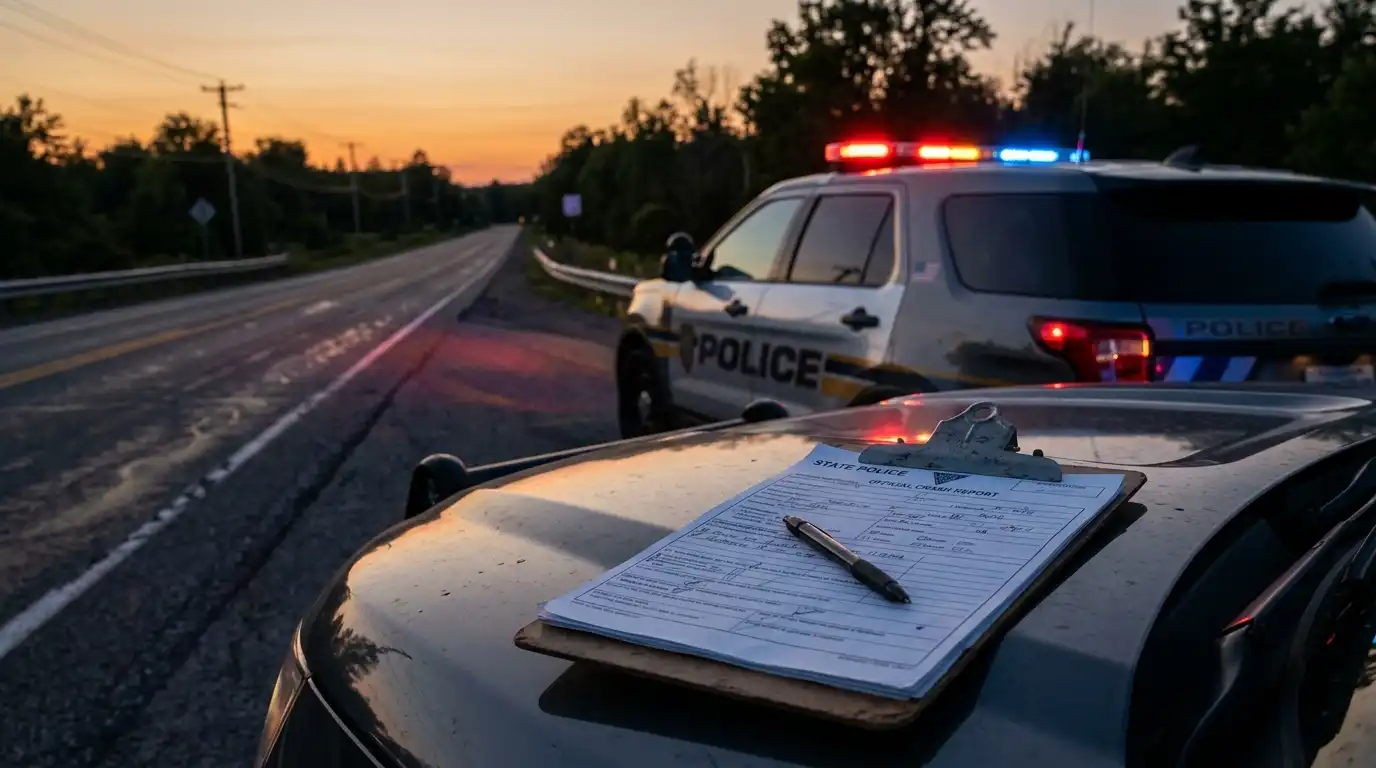
Steps to Take After a Traffic Collision in California
- Ensure Safety & Call 911: Move to a safe location on the shoulder if possible, turn on your hazard lights, and request emergency medical assistance.
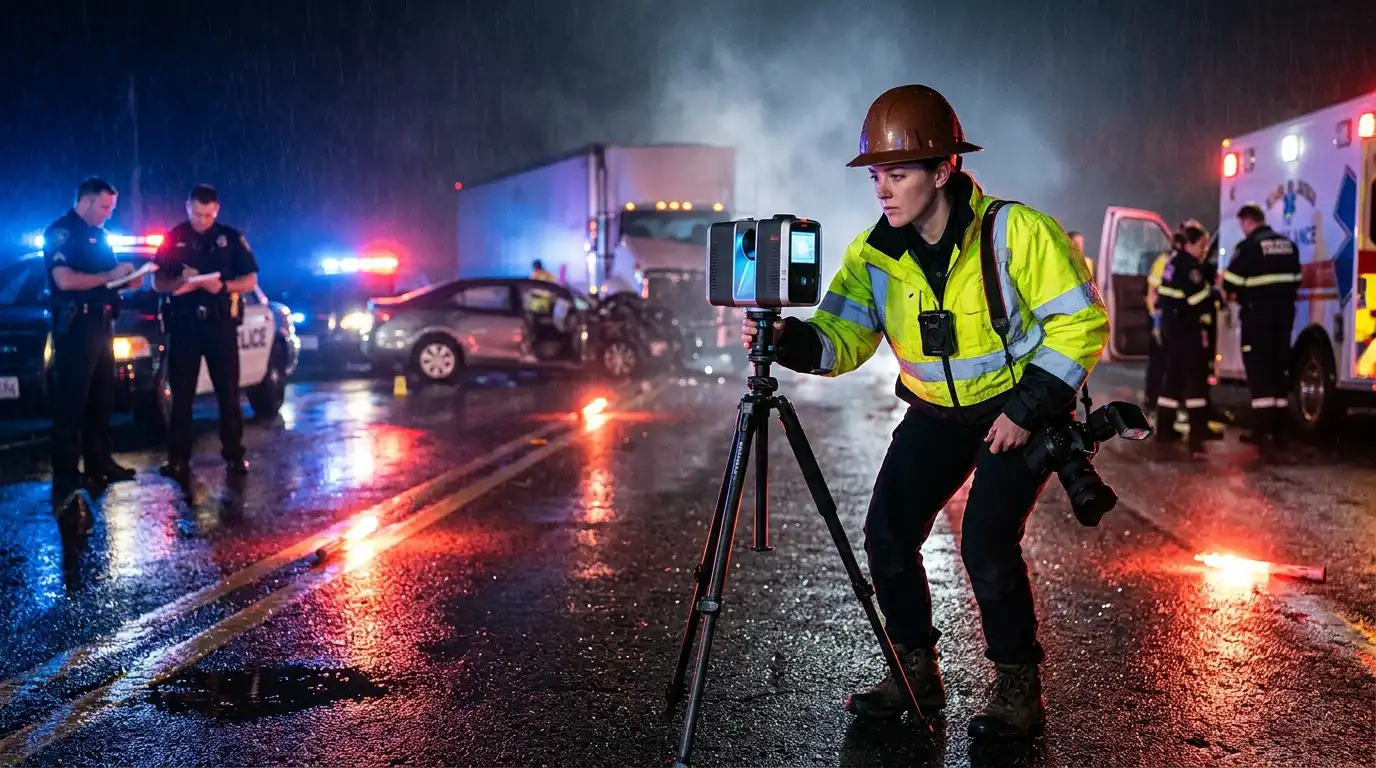
- Document the Scene Thoroughly: Photograph all vehicle damage, skid marks, road conditions, traffic signals, and any stationary vehicles involved.
- Exchange Official Information: Collect insurance details, driver’s license numbers, and license plate info from all drivers involved.
- Consult a Qualified Attorney: Speak with an experienced car accident attorney before signing insurance releases or providing recorded statements to insurance adjusters.
Protect Your Rights with Experienced Traffic Accident Representation
Navigating the legal aftermath of a car collision can be overwhelming, especially as California’s traffic regulations continue to evolve. Understanding statutory changes allows you to stay compliant on the road and ensures your legal rights remain protected if another driver’s negligence causes an accident.
If you or a loved one has suffered injuries in a collision caused by a speeding, distracted, or impaired driver, contact our experienced legal team today for a free consultation to discuss your claim and explore your legal options.