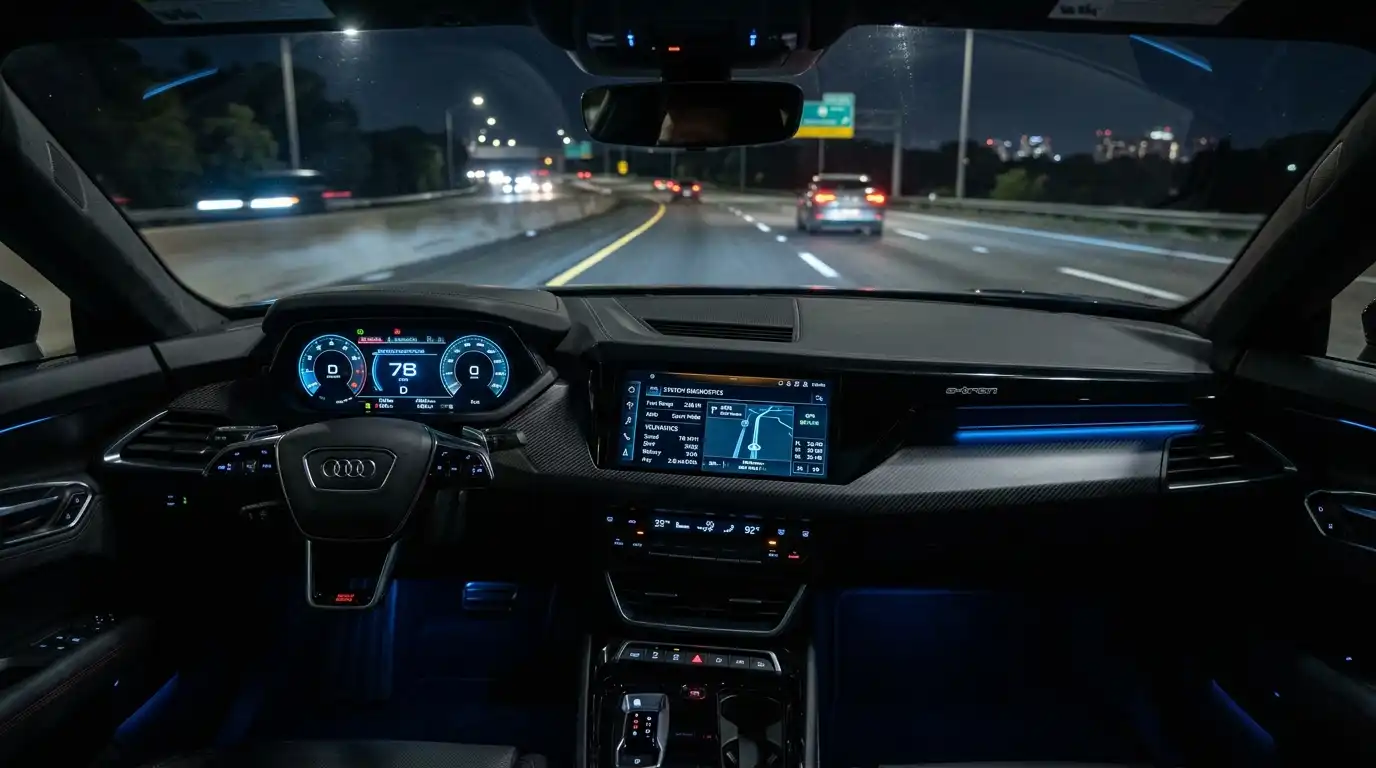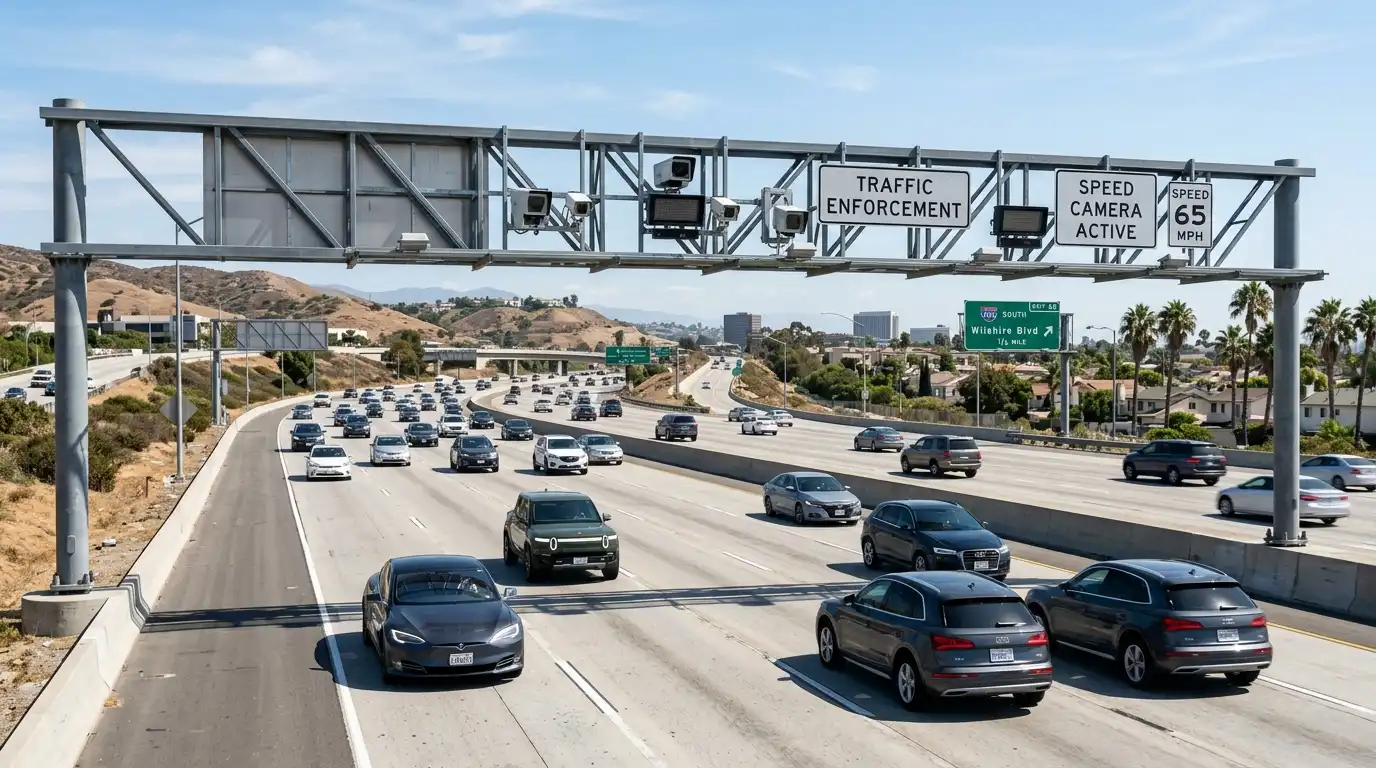
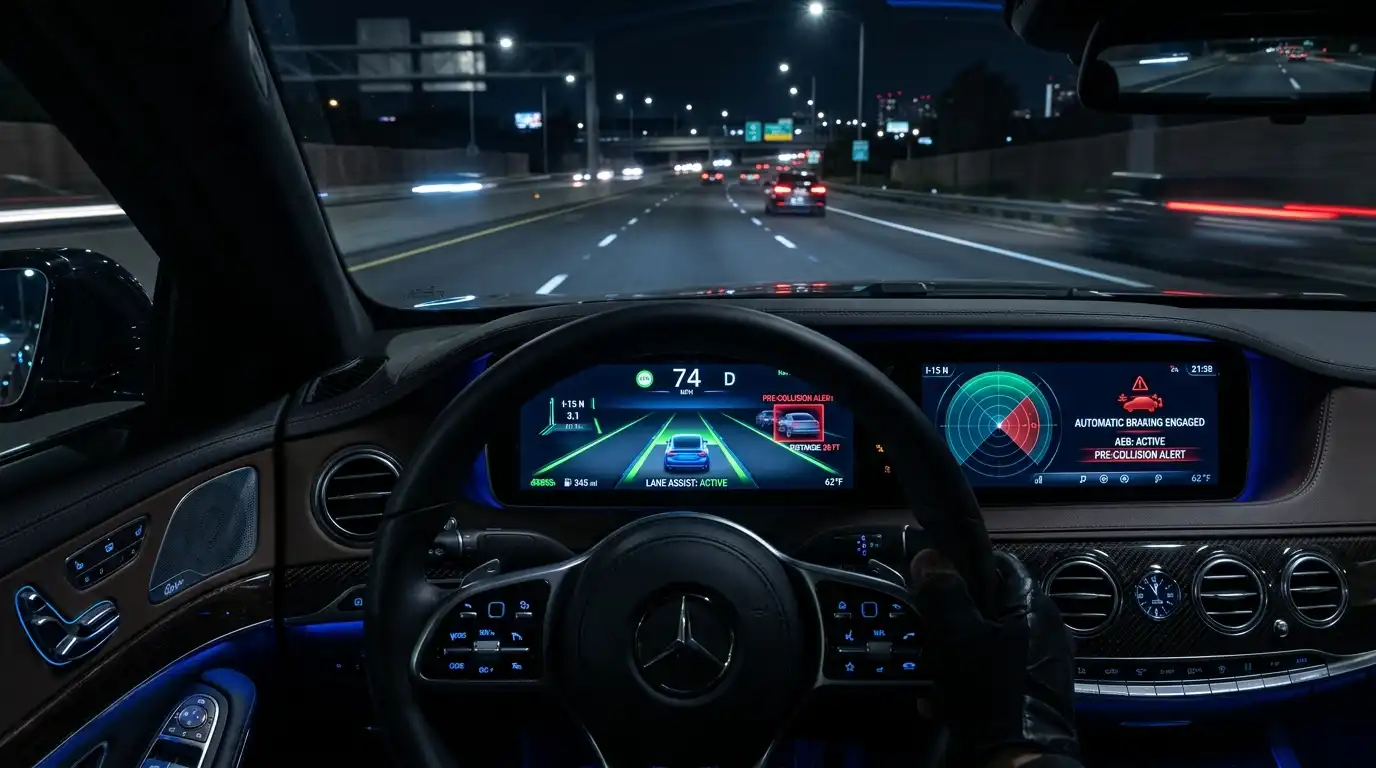
Modern automobiles are increasingly equipped with sophisticated safety technologies designed to prevent collisions and assist human operators. Features such as automatic emergency braking (AEB), lane-keeping assist (LKA), adaptive cruise control (ACC), and blind-spot detection have transitioned from luxury options to standard safety equipment on most modern vehicles. However, as vehicle automation advances, determining how Advanced Driver Assistance Systems (ADAS) impact accident liability introduces complex legal challenges that blur the line between human driver negligence and manufacturer product liability.
1. Understanding the Spectrum of ADAS and Vehicle Automation
To evaluate legal fault in a crash involving driver assistance technology, it is essential to distinguish between safety assistance tools and fully autonomous driving systems. The Society of Automotive Engineers (SAE) classifies vehicle automation across six distinct levels, ranging from Level 0 (no automation) to Level 5 (full vehicle autonomy).
Most commercial vehicles on the road today operate at Level 1 or Level 2 automation:
- Level 1 (Driver Assistance): Features that control a single motion, such as adaptive cruise control maintaining distance or lane-keeping assist steering adjustments.
- Level 2 (Partial Automation): Systems capable of simultaneously controlling steering, acceleration, and braking (e.g., Tesla Autopilot, GM Super Cruise). However, the human driver must remain fully attentive and ready to resume manual control instantly.
Because Level 1 and Level 2 systems require constant human oversight, legal frameworks overwhelmingly hold the human driver responsible for monitoring road conditions and maintaining safe vehicle operation, regardless of whether ADAS features were engaged during an impact.
2. Driver Responsibility vs. System Failure: Establishing Fault
When an ADAS-equipped vehicle is involved in a traffic collision, insurance adjusters and legal teams must investigate whether driver error, system malfunction, or an over-reliance on technology caused the event. While ADAS technologies significantly reduce collision frequencies, driver over-reliance—often referred to as “automation bias”—leads operators to become complacent or distracted behind the wheel.
Key legal considerations when assessing driver fault in ADAS collisions include:
- Duty of Care and Monitoring: Drivers are legally obligated to remain vigilant. Failing to intervene when an assistance system misinterprets road markings or fails to detect a stopped vehicle constitutes driver negligence.
- System Limitations and Warnings: Owner manuals explicitly detail system constraints, such as reduced performance in heavy rain, direct glare, or snow. Ignoring dashboard system warnings or operational parameters strengthens claims of driver fault.
- Misuse and Defeating Safety Protocols: Attempting to bypass hands-on-wheel sensors or using driver-assist systems outside recommended road conditions creates strong evidence of comparative negligence.
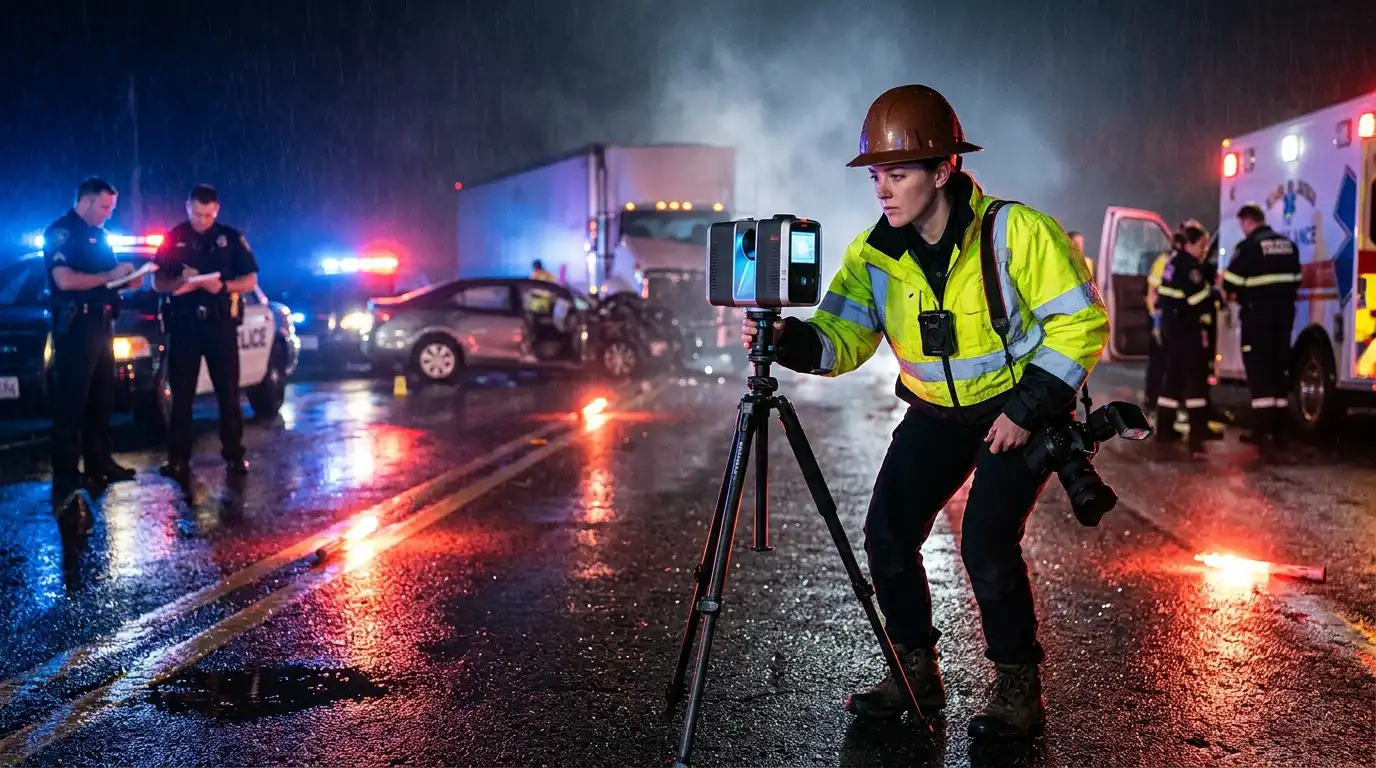
To learn more about how physical evidence collection at crash sites helps prove driver distraction or system failure, explore our legal guides in our Crash News & Investigations section.
3. Product Liability and Manufacturer Accountability
While human drivers remain the primary focus in most traffic claims, manufacturers and component suppliers can face product liability claims if defective ADAS hardware or faulty software algorithms directly cause or fail to prevent a crash.
Potential product liability theories in ADAS lawsuits include:
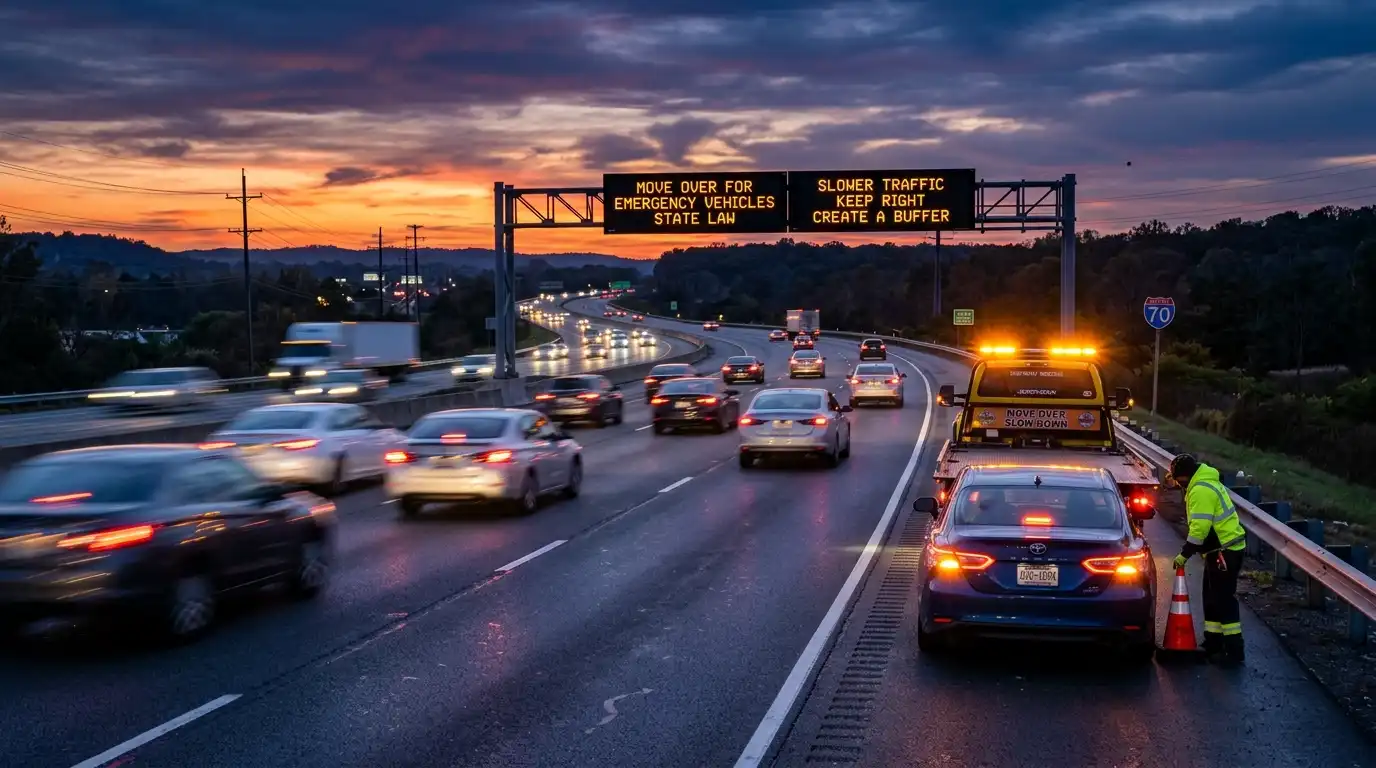
- Design Defects: Proving that the underlying software code or sensor arrangement was inherently unsafe, such as radar sensors failing to recognize stationary emergency vehicles parked on highway shoulders.
- Manufacturing Defects: Demonstrating that a specific physical component—such as a miscalibrated camera lens or faulty braking actuator—failed during manufacturing, leading to system breakdown.
- Failure to Warn (Inadequate Marketing): Alleging that auto manufacturers marketed ADAS features using deceptive terminology (e.g., “Full Self-Driving” or “Autopilot”) that misled drivers into believing the vehicle was fully autonomous, encouraging dangerous levels of inattention.
To review federal safety evaluations, recall notices, and testing standards for advanced driver assistance technologies, consult regulatory documentation provided by the National Highway Traffic Safety Administration (NHTSA).
4. The Role of Digital Evidence: Subpoenaing EDR and ADAS Logs
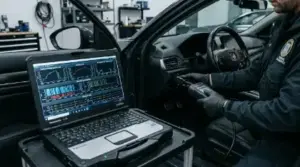
Determining whether an ADAS feature functioned properly or if a driver attempted evasive action requires analyzing digital telemetry stored inside the vehicle. Modern vehicles contain sophisticated Event Data Recorders (EDRs) and onboard telematics modules that capture real-time operational data leading up to an impact.
Critical digital evidence retrieved during an ADAS accident investigation includes:
- Steering wheel torque sensors measuring driver hand placement.
- Brake pedal application timestamps proving whether the human driver or the automated system initiated braking.
- Forward-facing camera footage and radar sensor radar logs capturing obstacle detection sequences.
- System engagement records confirming whether features like lane-keeping or AEB were active, disengaged, or reporting error codes prior to collision.
Preserving this electronic data requires immediate legal spoliation letters issued to vehicle owners and insurance carriers to prevent automated log overwrites or vehicle destruction.
5. Insurance Industry Adaptations to ADAS Technology
The widespread adoption of ADAS is reshaping the insurance industry. While automated safety features have successfully reduced rear-end collisions and low-speed parking accidents, repairing ADAS-equipped vehicles after a crash is significantly more expensive due to delicate radar sensors embedded in bumpers, windshield camera recalibrations, and costly body panels.
As a result, insurance carriers are re-evaluating risk models, policy pricing, and subrogation claims against vehicle manufacturers when automated braking or steering failures are suspected.
For more insights into navigating complex insurance claims, liability disputes, and coverage evaluations following a collision, visit our comprehensive Accident Claims & Insurance Guides resource center, or check out our Automotive Safety & Tech hub for the latest industry updates.