State traffic safety codes are undergoing significant updates. Understanding how expanded “Move Over” statutes operate is essential for protecting roadside workers, avoiding traffic citations, and establishing fault in complex personal injury claims.
The Evolution of Roadside Safety Laws
For decades, “Move Over” statutes were designed specifically to safeguard emergency responders, police officers, and highway maintenance crews stationed along busy shoulders. However, roadside secondary crashes remain a leading cause of highway injuries and fatalities nationwide.
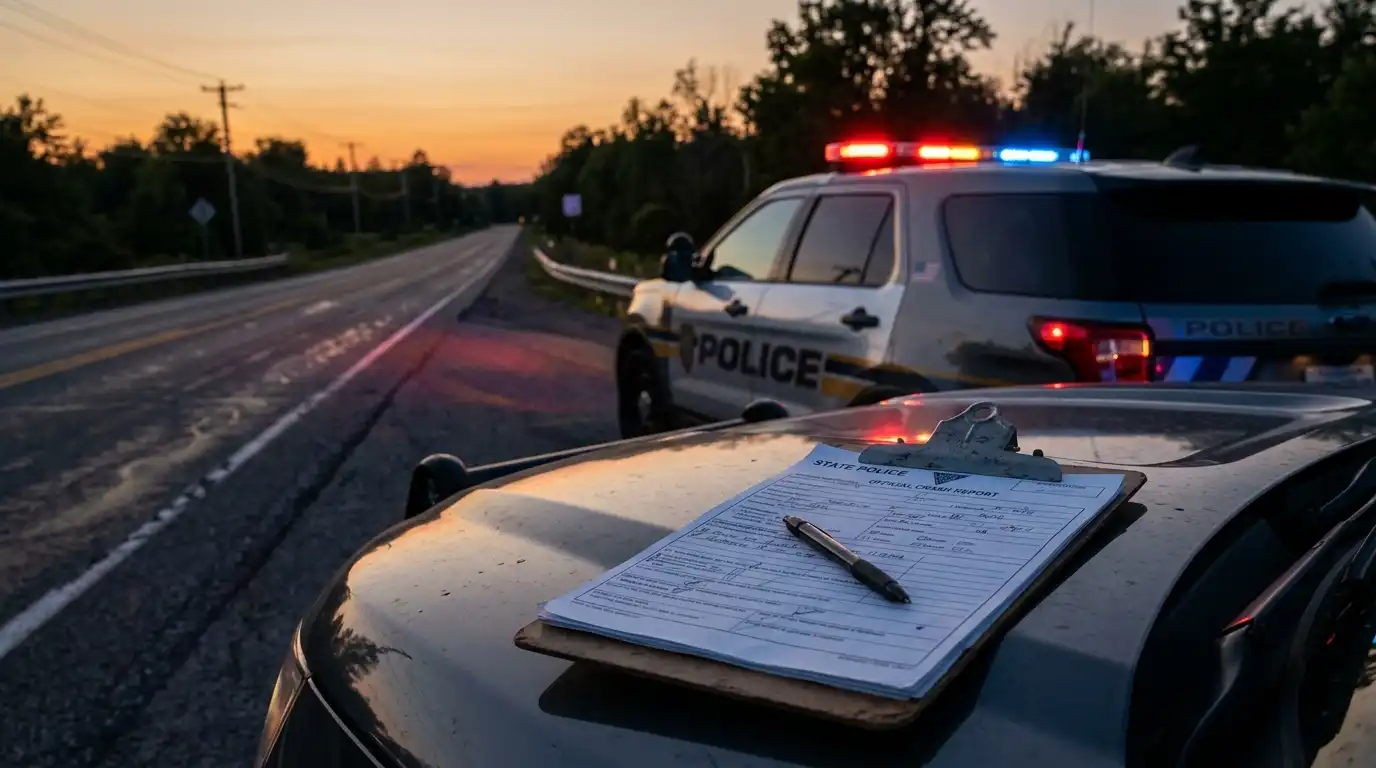
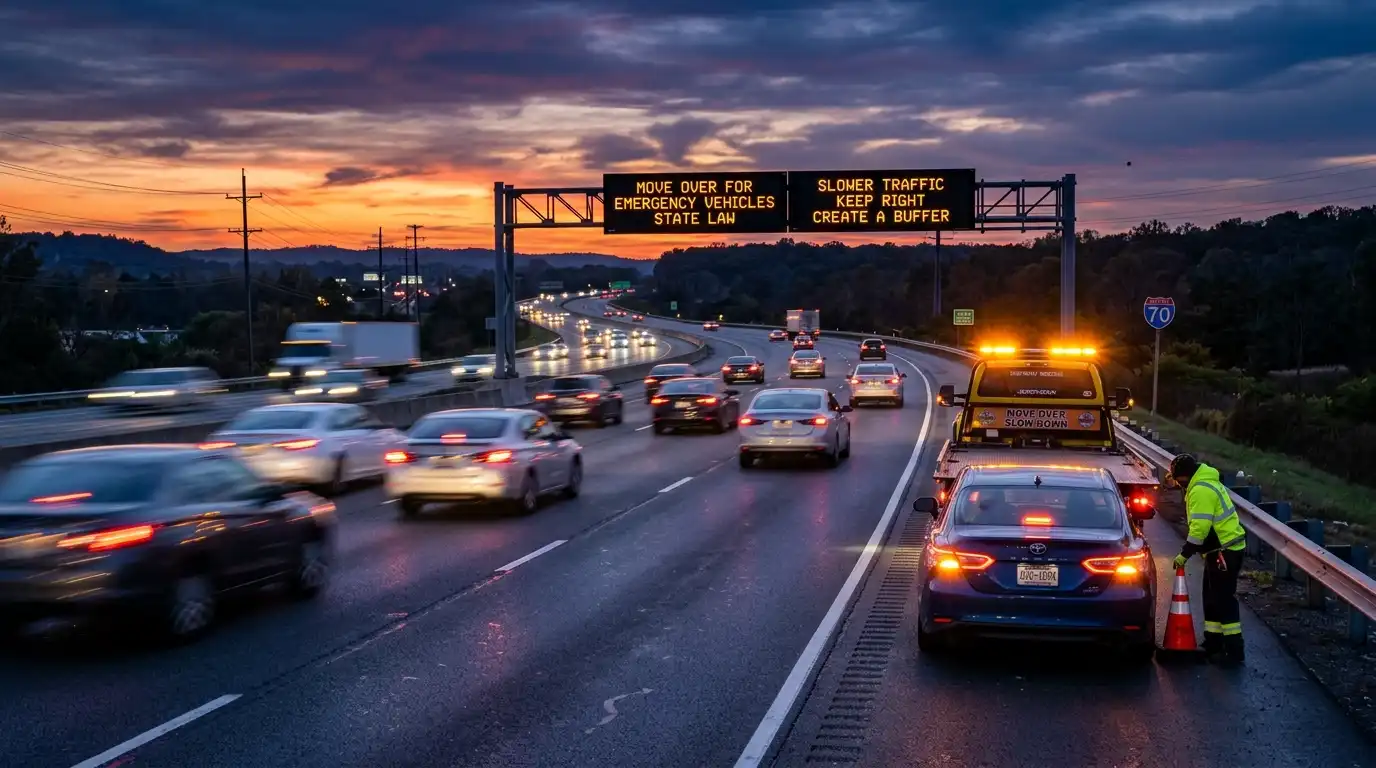
In response to high-velocity shoulder impacts, legislative bodies across the country have steadily expanded these protections. Modern statutory updates broaden the scope beyond emergency vehicles to cover any stationary motor vehicle displaying hazard lights, road flares, emergency reflectors, or warning signs on the roadside. Integrating this broader scope directly impacts how fault is determined when analyzing a new traffic laws move over rule personal injury claim.
Core Driving Requirements Under Updated Statutes
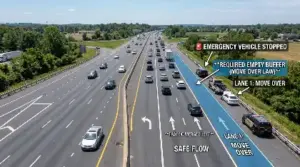
While specific statutory language varies slightly across jurisdictions, expanded Move Over rules generally establish two mandatory responsibilities for approaching drivers:
- Mandatory Lane Shift: When traveling on a multi-lane highway or interstate, motorists approaching a stationary vehicle on the shoulder must merge into a non-adjacent lane whenever traffic conditions allow a safe lane change.
- Required Speed Reduction: If heavy traffic, close vehicle spacing, or road conditions make a lane change impossible or unsafe, the driver must reduce their speed significantly below the posted speed limit—often by 20 mph or down to 5 mph in low-speed zones—and proceed with extreme caution.
- Broadened Vehicle Coverage: Protected categories now include disabled private passenger cars, stalled commercial delivery vans, tow trucks, utility service rigs, and roadside assistance vehicles.
To review national traffic safety research, roadside crash statistics, and highway compliance initiatives, consult the official guidance provided by the National Highway Traffic Safety Administration (NHTSA).
How Violations Establish Liability in Personal Injury Claims
When a motorist fails to slow down or move over and collides with a stationary roadside vehicle or a pedestrian on the shoulder, the civil legal consequences go far beyond a standard traffic ticket.
1. The Doctrine of Negligence Per Se
In personal injury litigation, breaking a safety statute specifically enacted to protect the public can trigger the doctrine of negligence per se. Under this rule, if a driver violates an expanded Move Over statute and causes a shoulder collision, the legal system presumes the driver breached their duty of care as a matter of law. This significantly streamlines proving fault for the injured victim.
2. Evidentiary Proof in Secondary Crash Claims
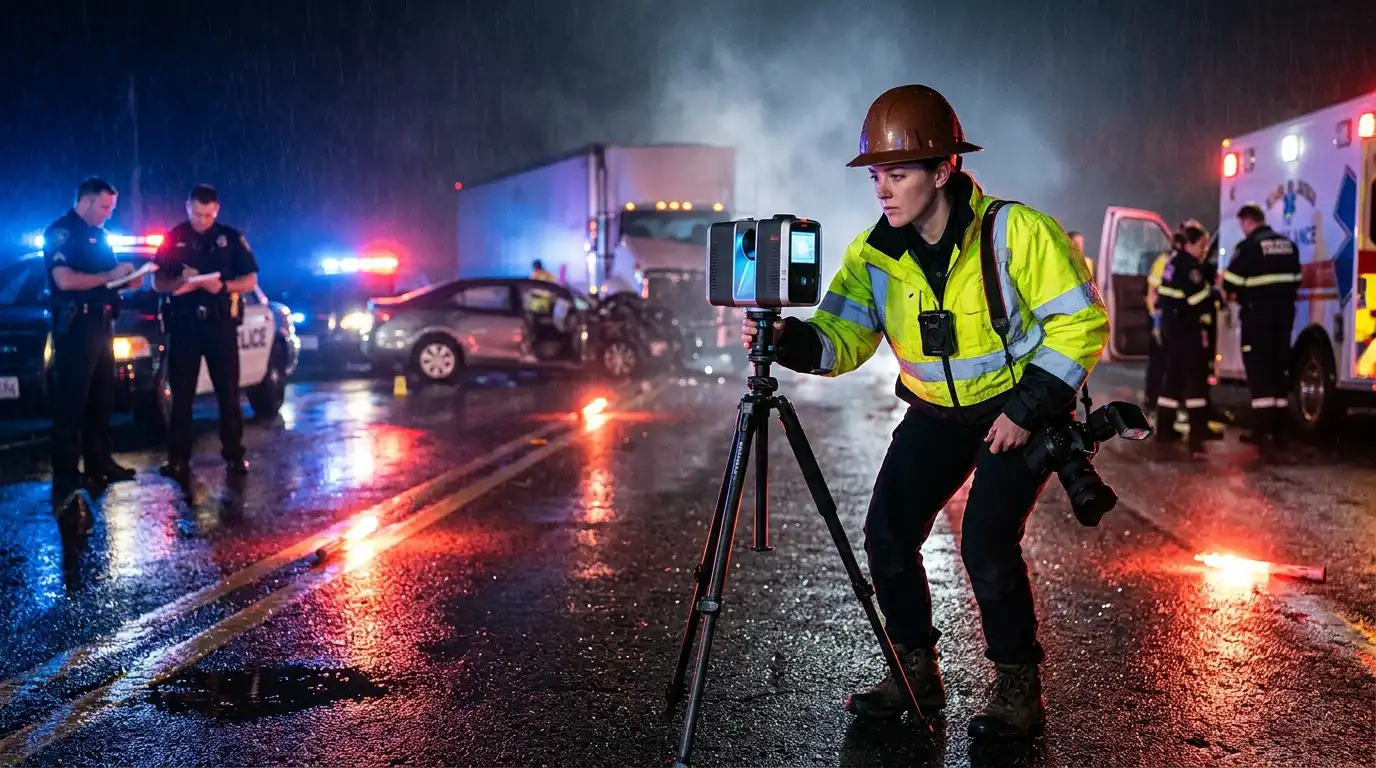
Establishing that a driver failed to move over requires strong physical and digital evidence. Key elements used by traffic accident attorneys include:
- Dashcam & Traffic Camera Footage: Video evidence verifying whether adjacent lanes were clear enough for the approaching driver to shift over safely.
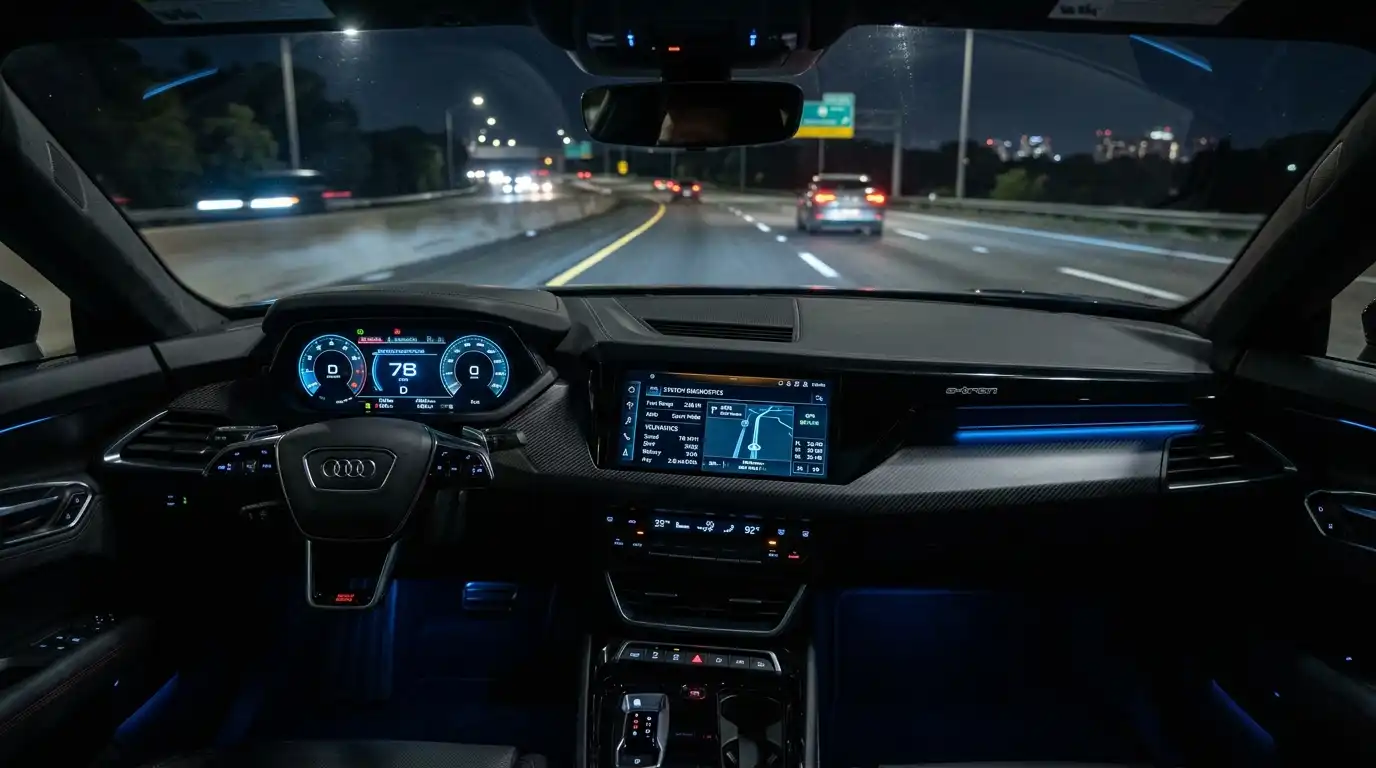
- Telematics & Black Box Data: Event Data Recorder (EDR) telemetry showing whether the approaching motorist made any effort to decelerate before impact.
- Witness & Law Enforcement Testimony: Statements confirming whether the stopped vehicle had activated hazard lights, flares, or visible emergency indicators.
3. Comparative Fault and Shoulder Stoppages
Defense insurers often argue that a stranded driver stopped unnecessarily on the shoulder or failed to activate hazard lights. Courts evaluate these disputes using comparative negligence frameworks, weighing the stopped driver’s actions against the passing motorist’s statutory duty to slow down or shift lanes.
Common Roadside Collision Scenarios

Expanded Move Over laws directly address specific high-risk scenarios that frequently lead to catastrophic personal injury claims:
- Shoulder Sideswipes: Vehicles clipping the driver’s side door of a broken-down vehicle due to inattention or failure to vacate the adjacent lane.
- Pedestrian-Vehicle Strikes: Stranded motorists or tow operators hit while changing a flat tire, checking under the hood, or retrieving items from a trunk.
- Chain-Reaction Rear-End Collisions: Inattentive drivers swerving abruptly at the last second to avoid a shoulder vehicle, causing pileups in active travel lanes.
Best Practices for Roadside Safety and Legal Protection
For Passing Motorists:
Scan the horizon continuously for flashing lights, hazard indicators, or vehicles parked on shoulder lanes. Signal early before merging to give trailing traffic adequate time to react, and always drop your speed if traffic prevents a safe lane change.
For Stranded Drivers:
If your car breaks down, pull as far off the paved shoulder as possible. Immediately activate your hazard lights, stay inside the vehicle with your seatbelt buckled if it is unsafe to exit, and call for professional roadside assistance or emergency services right away.
Navigating Your Roadside Accident Claim
The statutory expansion of Move Over rules reflects a critical shift toward protecting everyone stranded on the roadside. If you or a loved one suffered injuries in a shoulder crash due to a driver failing to yield or reduce speed, consulting an experienced legal team can help ensure your rights are protected under updated state traffic laws.