A chain-reaction freeway pileup happens in a matter of split seconds, but sorting out the aftermath can take months of intensive forensic analysis. When ten, twenty, or even more vehicles collide on a high-speed interstate during dense fog or sudden weather changes, determining who strikes whom first is rarely simple. Drivers involved are often confused, initial eyewitness accounts routinely conflict, and initial police reports can only capture surface-level observations. In complex multi-vehicle claims, establishing liability requires a scientific car accident crash reconstruction investigation.
Forensic crash reconstruction merges mechanical engineering, physics, digital telemetry, and biomechanics to peel back the layers of a complex wreck. By analyzing physical damage, vehicle computer data, and scene geometry, reconstruction engineers recreate the precise chain of events to hold responsible parties legally accountable.
1. Why Initial Police Reports Aren’t Always Enough
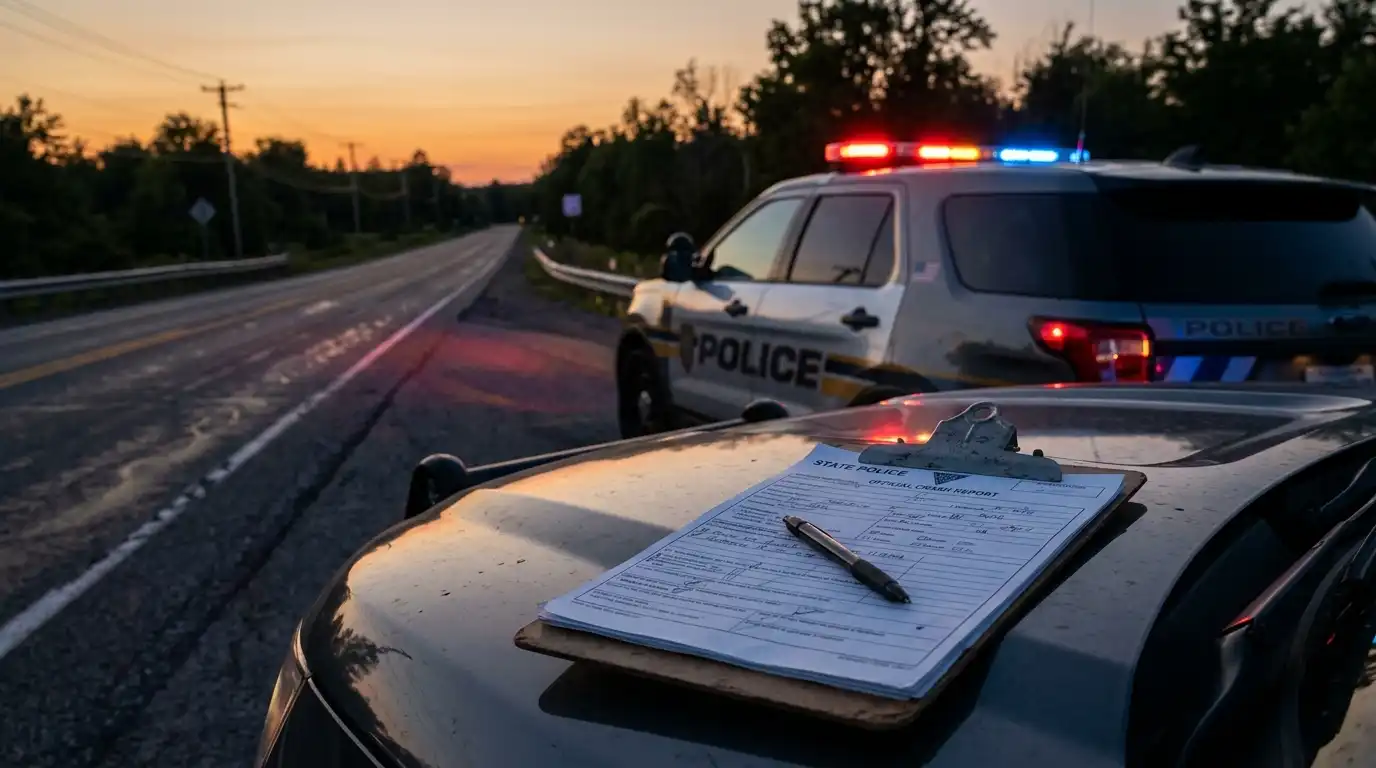
Following a major highway pileup, responding law enforcement officers focus primarily on securing the perimeter, rendering medical aid, clearing roadway hazards, and documenting basic facts. While the responding officer’s report provides a foundational baseline, it seldom establishes absolute legal fault for complex multi-impact events.
Police officers are rarely trained in advanced forensic physics or automotive telemetry extractions. In a multi-car chain reaction, an officer might record that Vehicle B rear-ended Vehicle A, without discovering that Vehicle C struck Vehicle B at full speed first, pushing it into Vehicle A. Relying solely on a preliminary police report can leave accident victims vulnerable to denied claims or unfair comparative fault assignments.
2. Key Data Sources in a Forensic Crash Reconstruction
Reconstruction specialists approach a crash scene much like crime scene investigators. They evaluate physical, digital, and environmental evidence to build an objective, mathematical timeline of the collision.
A. Event Data Recorders (EDRs) and Black Boxes
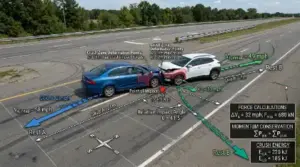
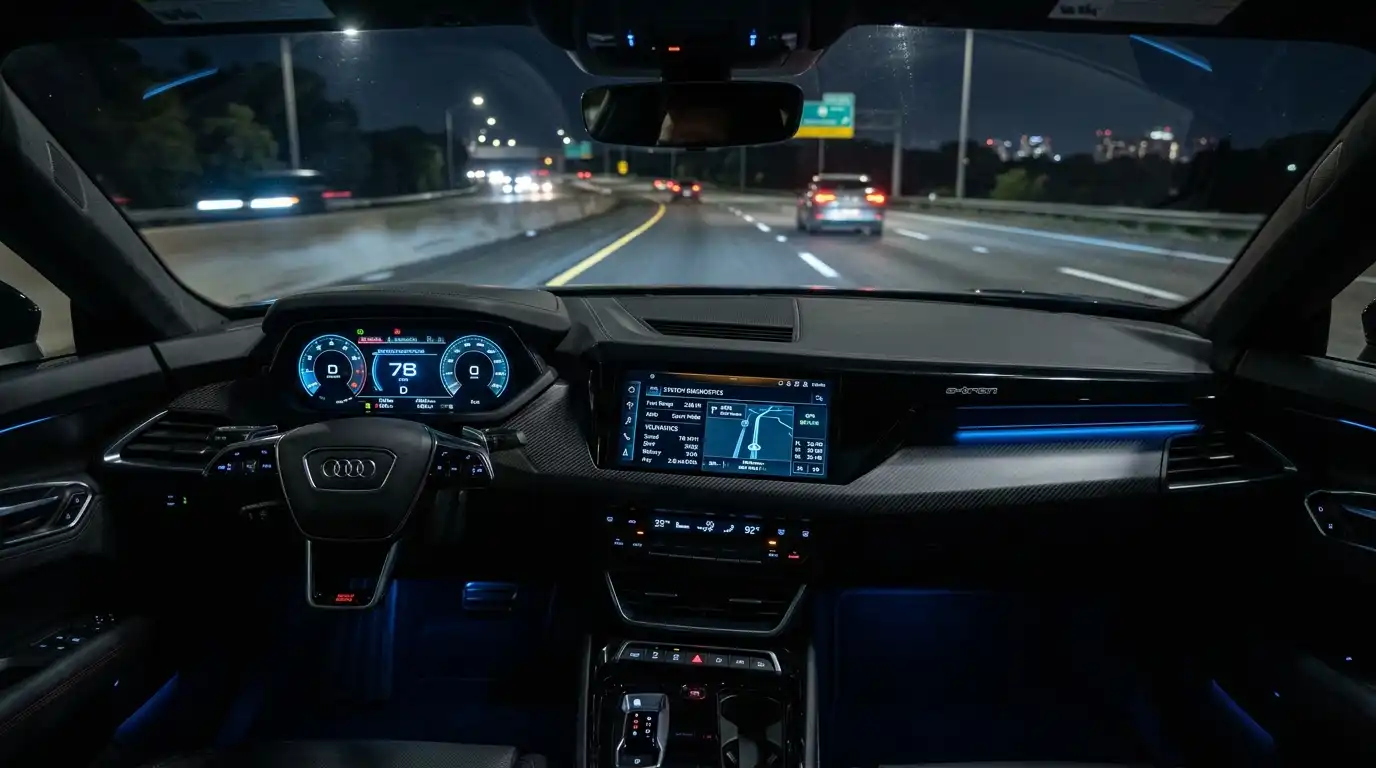
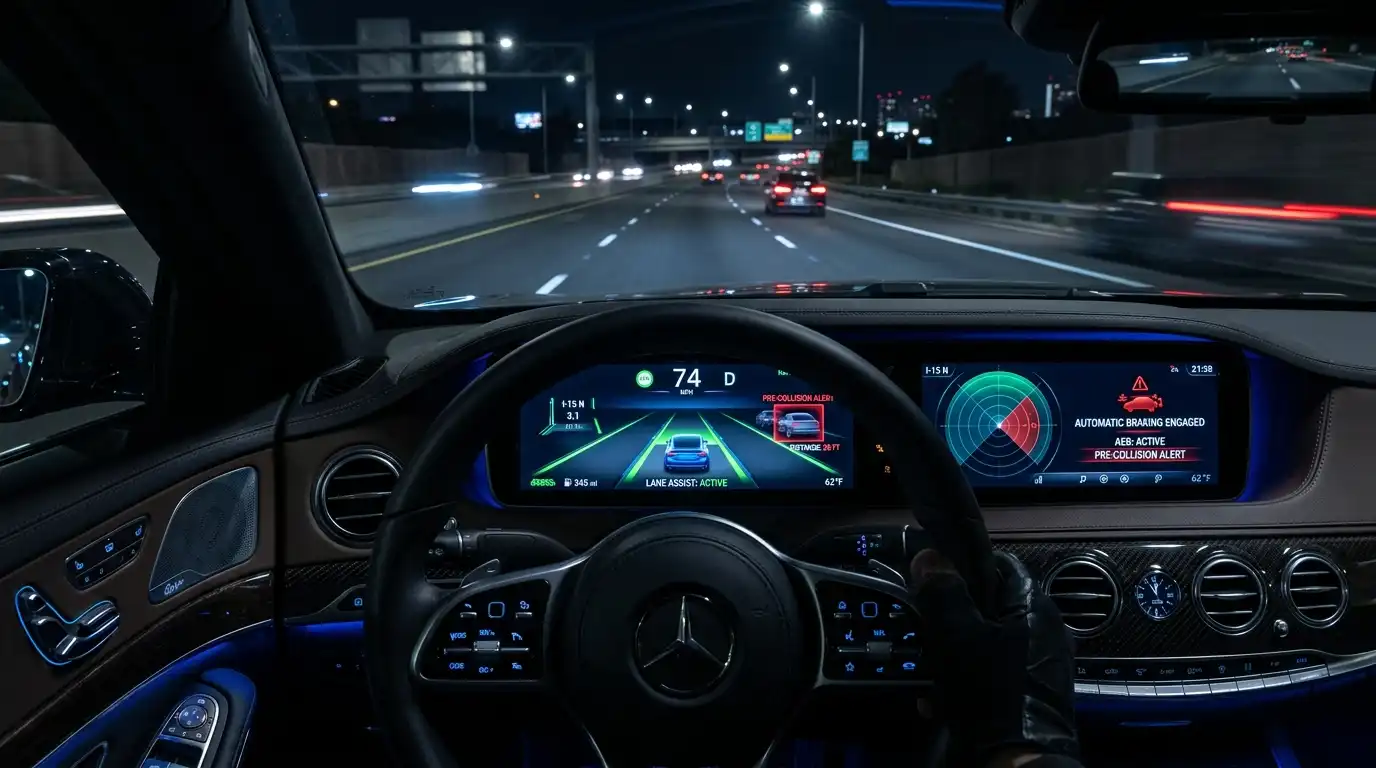
Modern passenger cars and commercial semi-trucks are equipped with Event Data Recorders (EDRs) or Engine Control Modules (ECMs). Under federal standards established by agencies like the National Highway Traffic Safety Administration (NHTSA), these vehicle “black boxes” store vital time-series data captured seconds before and during an impact.
Specialists download and analyze key metrics from EDR units, including:
- Pre-Crash Vehicle Speed: Exact vehicle velocity recorded in 0.1-second increments prior to impact.
- Brake Application: Whether the driver engaged the service brakes, and the exact percentage of pedal force applied.
- Engine RPM & Throttle Position: Indicating whether a driver was accelerating, coasting, or attempting an emergency maneuver.
- Delta-V (Change in Velocity): Measuring the force severity of each individual impact to determine primary collision points.
- Seatbelt & Airbag Deployment Status: Documenting safety system operation timing down to the millisecond.
B. Physical Roadway Evidence and Friction Analysis
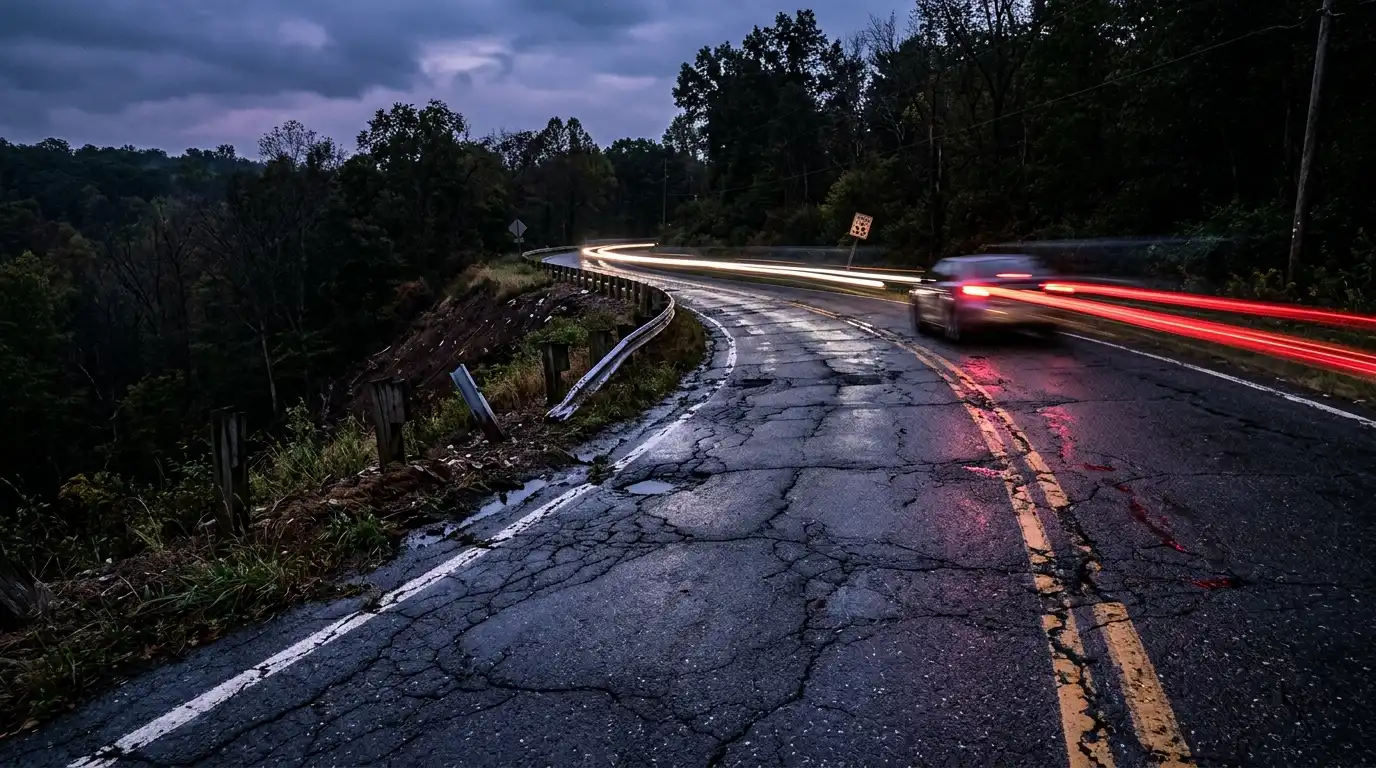
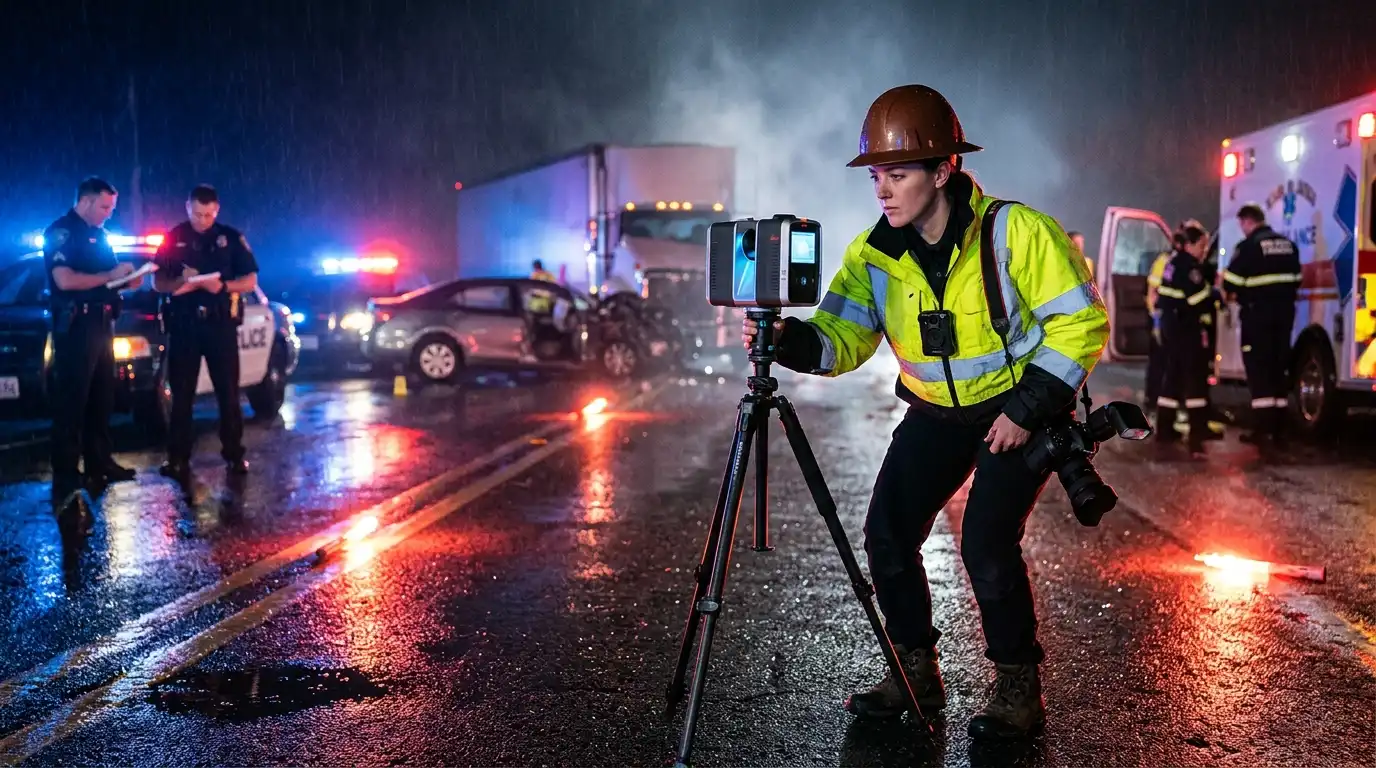
The roadway surface holds critical clues that fade quickly due to weather and traffic flow. Investigators map physical evidence using high-definition 3D laser scanners (LiDAR) to analyze:
- Skid Marks: Locked-wheel braking marks reveal where braking began and help calculate pre-braking travel speed based on tire-to-asphalt drag factors.
- Yaw Marks: Curved scuff lines left by rotating tires indicate loss of control or sudden steering inputs.
- Gouge Marks and Scrapes: Metal-on-asphalt gouges pin down exact points of impact (POIs) where suspension components bottomed out during heavy forces.
- Debris Fields: The spread pattern of shattered glass, headlight lenses, and bumper fragments maps vehicle directions post-impact.
C. Crush Energy and Structural Damage Patterns
Vehicle bodies are engineered with crumple zones designed to absorb kinetic energy. Reconstruction engineers measure the depth and direction of metal displacement using crush energy analysis formulas derived from classical Newtonian physics ($E = \frac{1}{2}mv^2$). By matching crush patterns across multiple vehicles, experts determine which impacts occurred first and calculate the relative speed differential between colliding cars.
3. Deciphering Chain Reactions and Comparative Negligence
In pileups involving four or more cars, assigning financial liability requires establishing the primary cause versus secondary impacts. Reconstruction findings directly feed into legal arguments regarding comparative fault laws.
Consider a common three-vehicle highway scenario:
- Scenario 1 (Front Driver At-Fault): Car 1 stops abruptly for no reason. Car 2 stops safely behind Car 1. Car 3 fails to stop and slams into Car 2, pushing Car 2 into Car 1. Reconstruction proves Car 3 is fully liable for all damages to both cars ahead.
- Scenario 2 (Middle Driver At-Fault): Car 1 slows down. Car 2 fails to brake, slamming into Car 1. Seconds later, Car 3 hits Car 2 from behind. Black box extraction reveals Car 2’s airbag deployed *before* Car 3 hit it, establishing that Car 2 initiated the primary wreck.
4. Critical Steps to Preserve Forensic Evidence After a Wreck
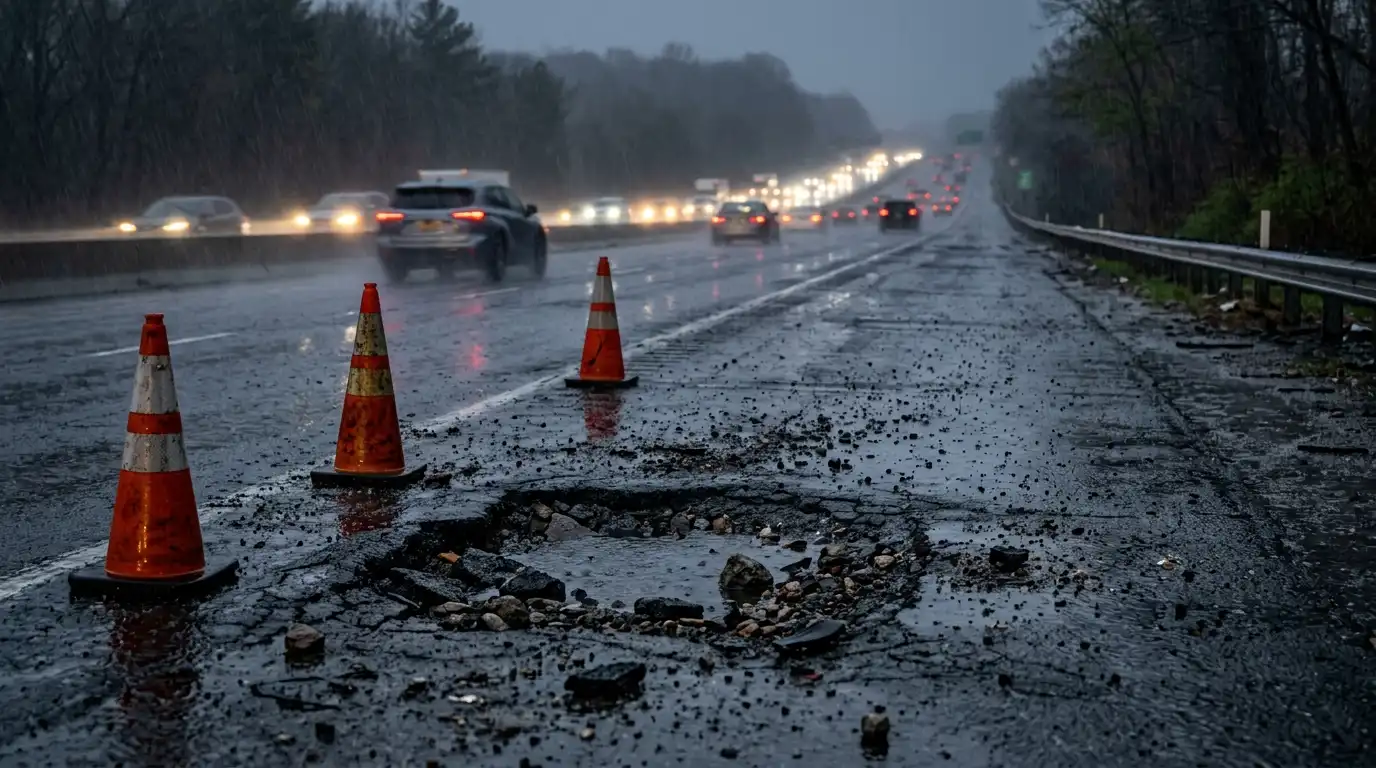
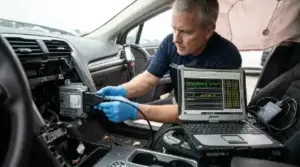 Forensic evidence can be destroyed or lost within days following an accident. Rain washes away tire marks, crashed vehicles are sold off at insurance salvage auctions, and onboard EDR data can be overwritten if a vehicle is restarted or moved. To protect a personal injury or wrongful death claim, victims should act swiftly:
- Photograph Everything Immediately: If physically able at the scene, photograph all vehicles from multiple angles, full roadway skid marks, weather conditions, highway signage, and visible debris.
- Issue Formal Spoliation Letters: A qualified legal team can send immediate spoliation letters to insurance companies, trucking firms, and tow yards demanding that crash vehicles, dashcams, and EDR data be preserved without alteration.
- Hire an Expert Early: Deploying an independent accident reconstructionist to the crash site within 48 to 72 hours ensures scene measurements and physical evidence are captured before road crews repair damaged barriers or pave over marks.
Final Thoughts: Science Replaces Speculation
In multi-vehicle accidents, insurance companies often attempt to shift blame, lower payout offers, or delay claims due to conflicting statements. A rigorous car accident crash reconstruction investigation replaces hearsay with undeniable physical facts, protecting victims’ rights and ensuring fair compensation for medical bills, lost earnings, and long-term recovery.