What Is Vehicle Telematics Data in 2026?
Modern passenger cars, electric vehicles, and commercial trucks continuously log dozens of operational data points per second. Commonly referred to as the vehicle’s “black box,” the Event Data Recorder captures critical telemetry in the seconds leading up to, during, and immediately after an impact.
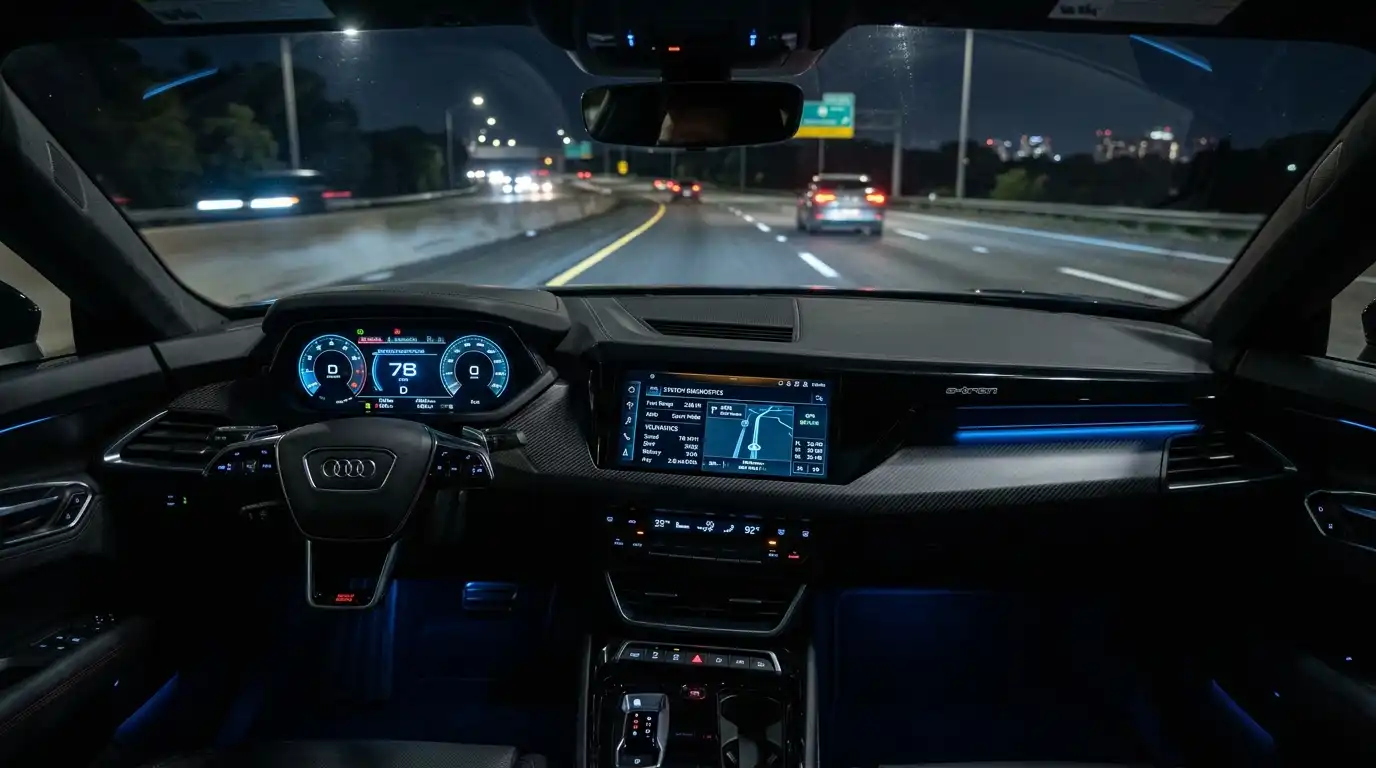
Key data points captured by modern vehicle sensors include:
- Speed & Acceleration: Exact vehicle speed second-by-second prior to impact.
- Braking Input: Whether the brakes were applied, the exact millisecond of engagement, and anti-lock brake system (ABS) activation.
- Steering Angles: Driver steering wheel inputs indicating sudden swerving or evasive maneuvers.
- Seatbelt & Safety Engagement: Airbag deployment timings, seatbelt latch status, and passenger occupancy sensors.
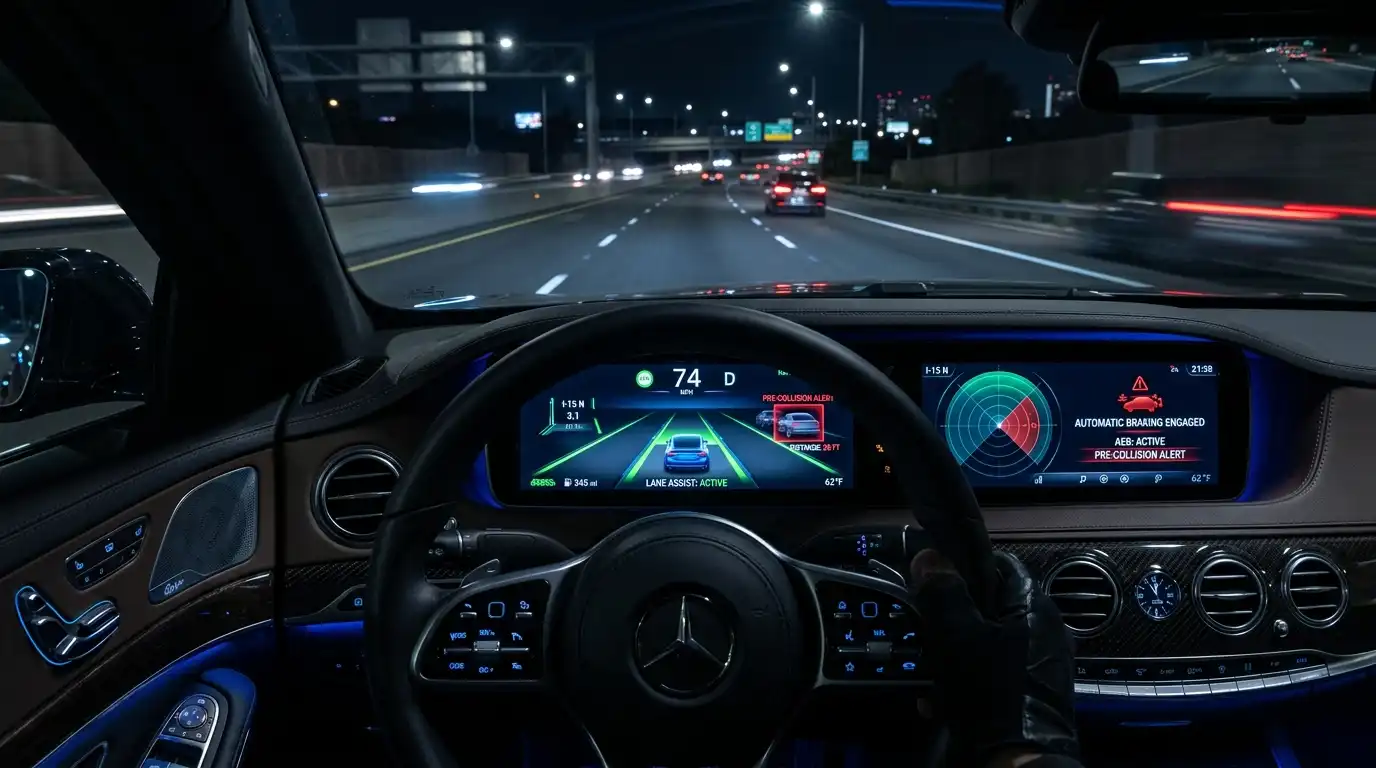
- ADAS & Autonomous Features: Active state of lane-keep assist, automatic emergency braking (AEB), or adaptive cruise control.
How Insurance Adjusters Use Telematics Against Crash Victims
While digital telemetry offers objective proof of what occurred during a crash, insurance companies frequently use telemetry data selectively to dispute liability or undervalue claims. Adjusters may analyze pre-impact telemetry to argue that an injured driver was driving over the speed limit, reacted too slowly, or shared partial fault under comparative negligence rules.
According to legal industry trends in personal injury law, disputes over fault requiring digital proof have surged as vehicle technology advances. Without an experienced traffic accident attorney to subpoena and preserve raw crash data, an insurance carrier’s interpretation of telematics can severely diminish your final settlement.
Preserving Black Box Evidence After an Accident
 One of the most time-sensitive steps following a major collision is securing the physical vehicle and sending a formal spoliation letter to prevent the destruction or overwriting of black box data. In many cases, telematics logs can be wiped if the vehicle is towed, repaired, or declared a total loss by an insurance salvage yard.
- Issue a Legal Hold: An attorney can immediately send formal legal notices demanding that all parties preserve the vehicle’s electronic control modules.
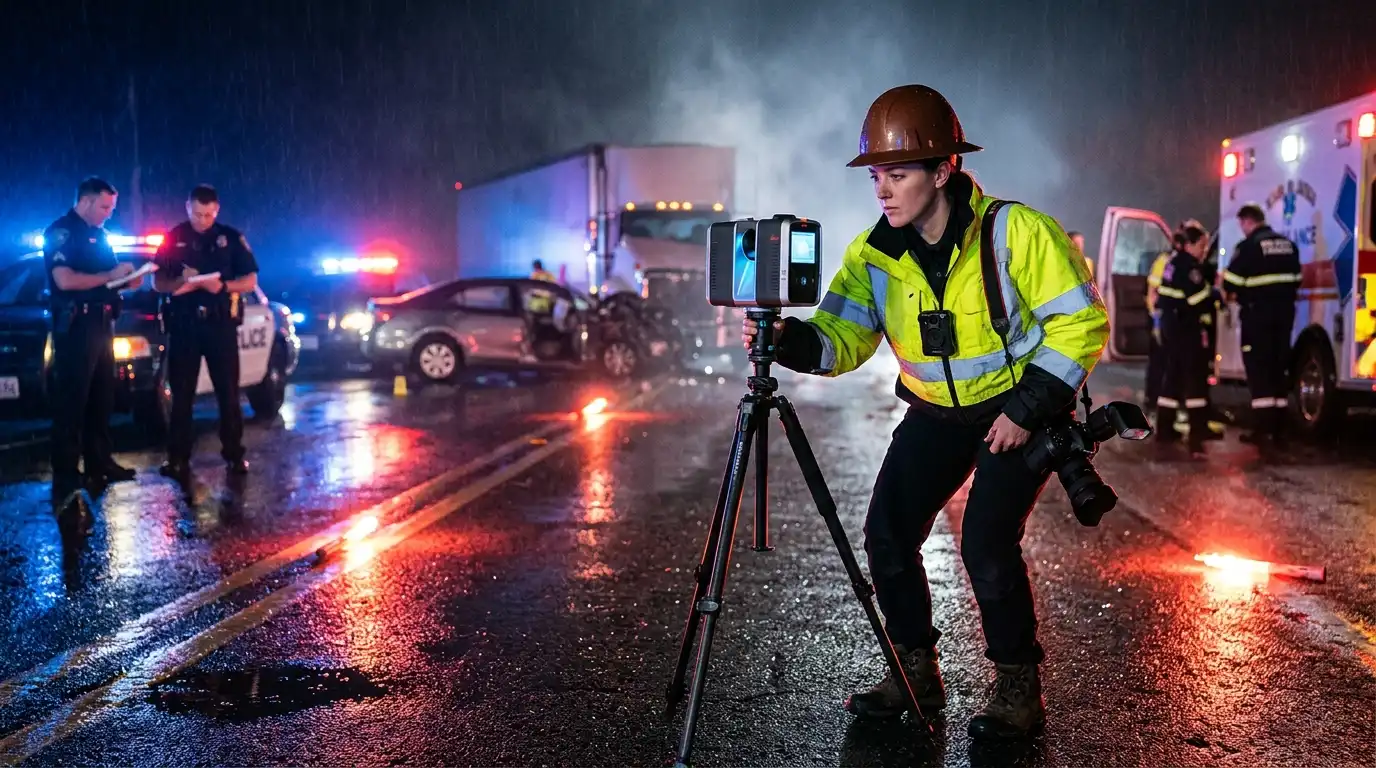
- Deploy Forensic Investigators: Accident reconstruction experts use specialized hardware to extract unedited EDR files before the vehicle is moved or scrapped.
- Corroborate Witness Testimony: Telematics data can definitively refute an opposing driver’s false claims regarding their speed or signal usage.
How Digital Proof Strengthens Your Personal Injury Claim
When handled correctly, telematics data transforms subjective “he-said, she-said” disputes into irrefutable scientific proof. Showing that a negligent driver failed to brake or was traveling at unsafe speeds directly establishes liability, clearing the way for full recovery of medical expenses, lost wages, and pain and suffering.
If you or a loved one has been injured in a collision, acting quickly to preserve digital vehicle evidence is one of the most critical steps you can take toward securing justice.