Recognizing Dangerous Roadway Infrastructure Defects

Roadway engineering and ongoing maintenance are governed by strict safety protocols set by federal, state, and municipal regulations. When governing agencies or private contractors fail to adhere to these design and maintenance standards, the roadway becomes a hazardous trap.
Common infrastructure defects that lead to personal injury litigation include:
- Poor Intersection and Sightline Design: Intersections constructed without adequate sight distances prevent motorists from seeing oncoming traffic. Similarly, improperly timed yellow traffic signals frequently lead to high-speed broadside (“t-bone”) crashes.
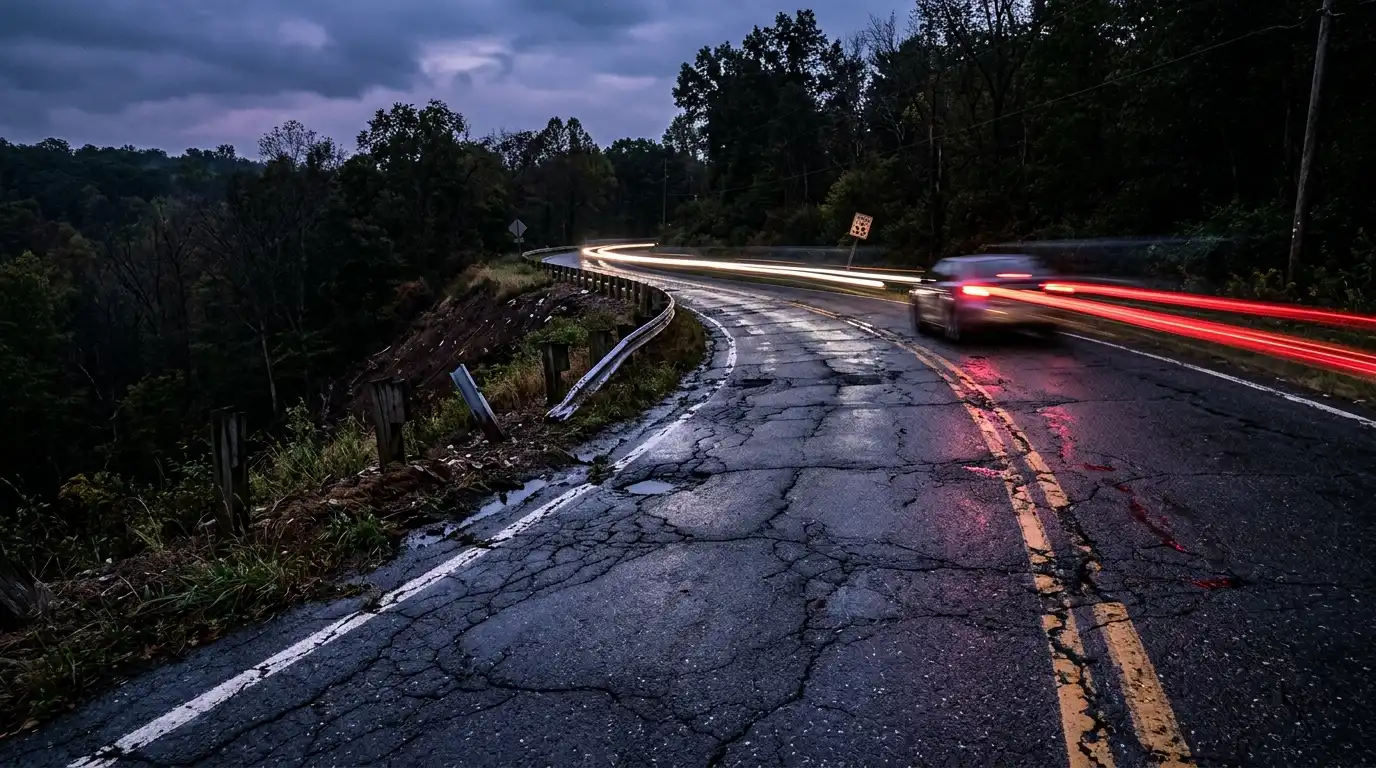
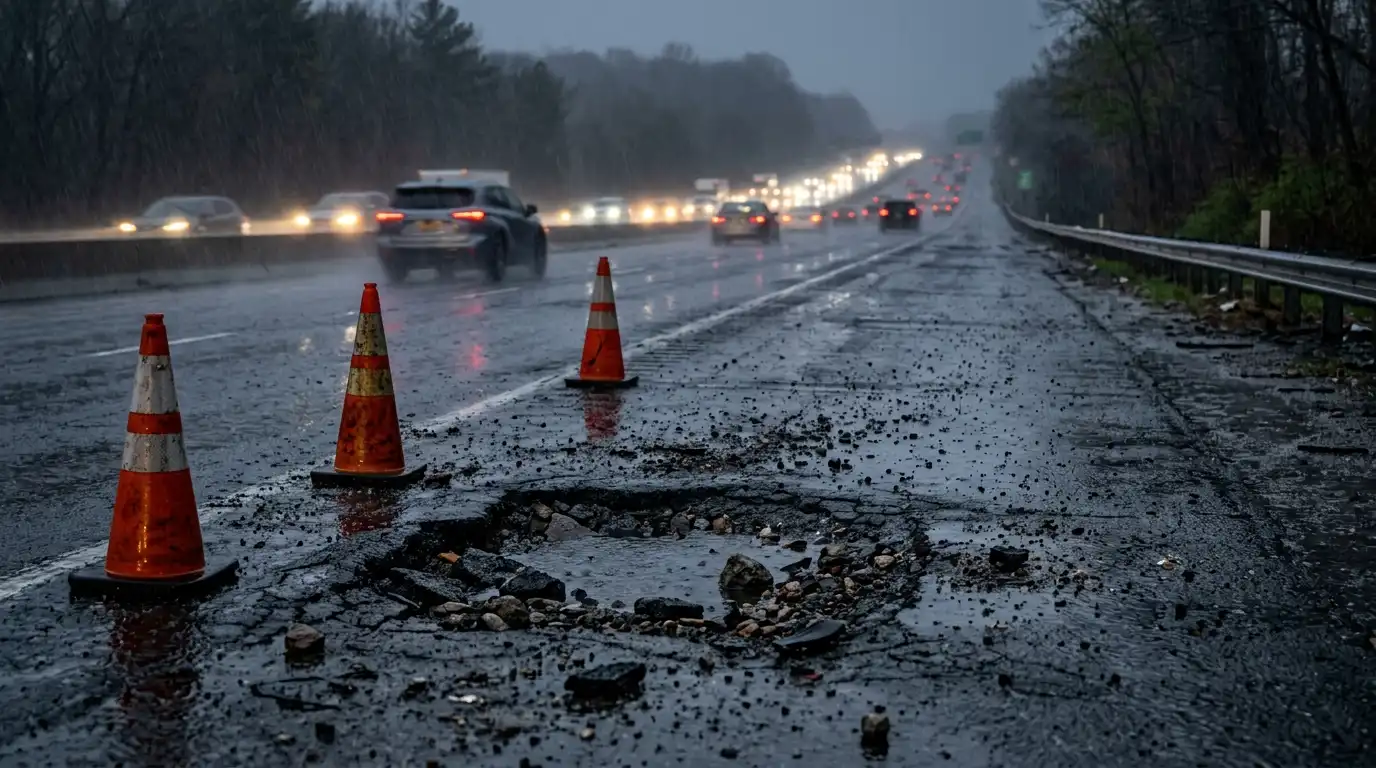
- Potholes, Rutting, and Surface Degradation: Neglected asphalt creates severe hazards, particularly for motorcyclists and smaller passenger vehicles. Deep potholes can cause sudden tire blowouts, wheel rim collapse, or severe loss of vehicle control.
- Missing, Hidden, or Defective Signage: Overgrown tree foliage obscuring a stop sign, missing curve warning signs, or unlit construction detours prevent drivers from making informed decisions.
- Inadequate Shoulders and Pavement Drop-Offs: A sharp vertical drop-off between the paved lane and the unpaved shoulder can cause a driver to lose control during a minor drift, triggering a dangerous “steer-back” rollover collision.
- Substandard Guardrails and Barriers: Guardrails are meant to absorb impact energy and deflect vehicles back onto the road. Poorly installed, outdated, or deteriorated guardrails can fail completely—or pierce the passenger compartment upon impact.
The Legal Challenge: Proving Sovereign Immunity and Notice
Pursuing a claim against a government entity for a dangerous road condition involves legal hurdles distinct from typical driver-versus-driver insurance claims.
Navigating Sovereign Immunity
Historically, governmental bodies enjoyed “sovereign immunity,” protecting them from civil lawsuits. Modern state laws have created specific exceptions under Tort Claims Acts, permitting citizens to sue state or local authorities for negligence in maintaining public facilities, including streets and highways. However, these statutes impose strict procedural conditions on plaintiffs.
Notice Requirements and Accelerated Deadlines
Unlike standard personal injury claims—which often have statute of limitations windows spanning two to four years—claims against government entities require a formal Notice of Claim filed within a brief statutory window. In many jurisdictions, this notice must be submitted within 30 to 180 days of the accident. Missing this deadline generally forfeits the right to recover damages permanently.
Actual vs. Constructive Notice
To win a defective road infrastructure personal injury claim, the plaintiff must prove that the government entity had notice of the defect and failed to correct it within a reasonable period. Proving notice typically relies on establishing one of two conditions:
- Actual Notice: The agency was explicitly notified of the hazard through prior accident reports, written citizen complaints, or internal inspection records.
- Constructive Notice: The hazard existed for such a duration or was of such a nature that the agency, through reasonable diligence, should have known about it.
Building the Case: Critical Evidence and Engineering Analysis
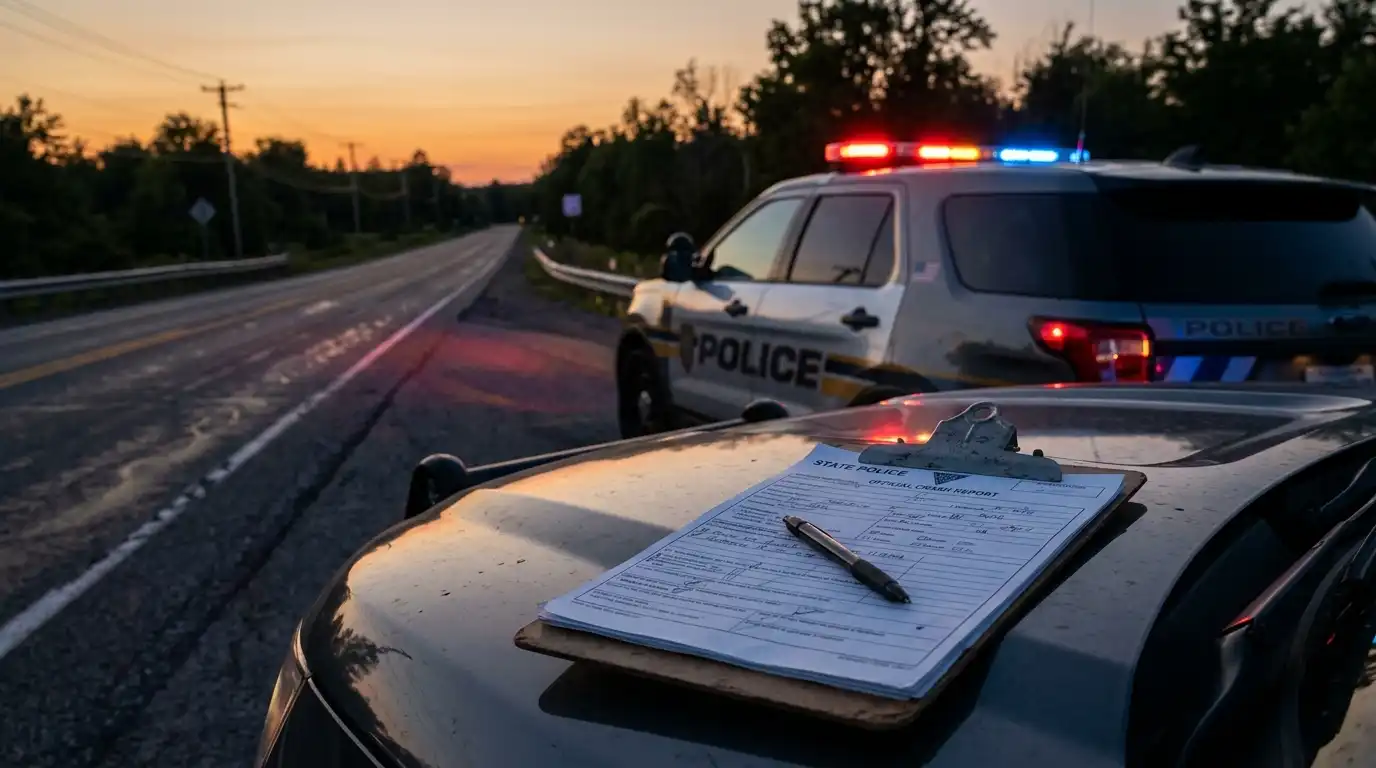
Proving that a road design or maintenance failure caused a crash requires immediate, thorough investigation. Physical evidence at a crash site deteriorates rapidly—roadways get repaired, skid marks weather away, and damaged guardrails are replaced.
Essential Evidence for Infrastructure Lawsuits
Successful litigation against municipalities or government contractors relies heavily on specific technical evidence:
- Freedom of Information Act (FOIA) Requests: Obtaining historical crash data for the location, past 311/city work orders, maintenance logs, and official agency communications regarding the corridor.
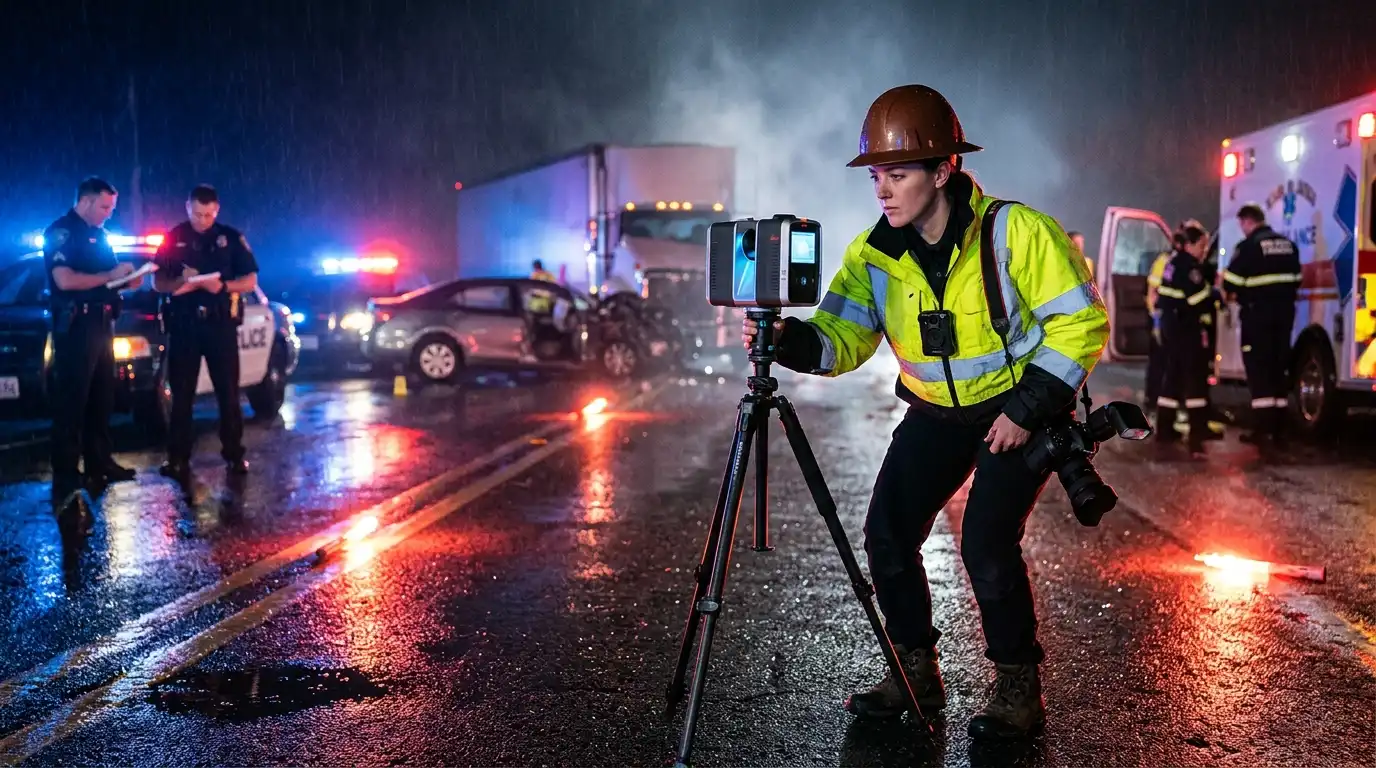
- High-Resolution Scene Documentation: Photographic and video evidence detailing pavement depth, lane width, signage sightlines, lighting conditions, and road markings immediately following the accident.
- Civil and Traffic Engineering Experts: Expert testimony from specialized engineers who review roadway geometry, speed zone compliance, and friction levels against published engineering manuals.
- Accident Reconstruction Analysis: Combining vehicle black box data (EDR) with road design parameters to demonstrate that the dangerous condition directly caused or exacerbated the vehicle crash.
Identifying All Potentially Liable Parties
Depending on the circumstances surrounding the road defect, liability may extend beyond the state or local department of transportation. Comprehensive legal investigations identify every responsible entity, such as:
- Private Highway Construction Contractors: Third-party firms responsible for active work zones, improper lane tapering, or inadequate temporary lighting.
- Engineering and Architectural Firms: Entities that designed defective roadway segments, improper drainage systems, or hazardous traffic flow patterns.
- Property Owners: Commercial or residential landowners whose overgrown vegetation or uncontained runoff creates hazards on public roadways.
- Equipment Manufacturers: Companies producing substandard safety hardware, such as malfunctioning guardrail end-terminals.
Protect Your Rights After an Infrastructure-Related Crash
When a crash is caused by dangerous road design or unmaintained infrastructure, insurance companies often try to pin the blame entirely on the driver. Navigating strict government notice deadlines, complex engineering standards, and sovereign immunity laws requires experienced legal guidance.
If you or a loved one was injured in a vehicle crash caused by a dangerous road condition, acting quickly is vital to preserving evidence and meeting statutory deadlines. Contact our experienced legal team today to review your case and evaluate your options for recovery.