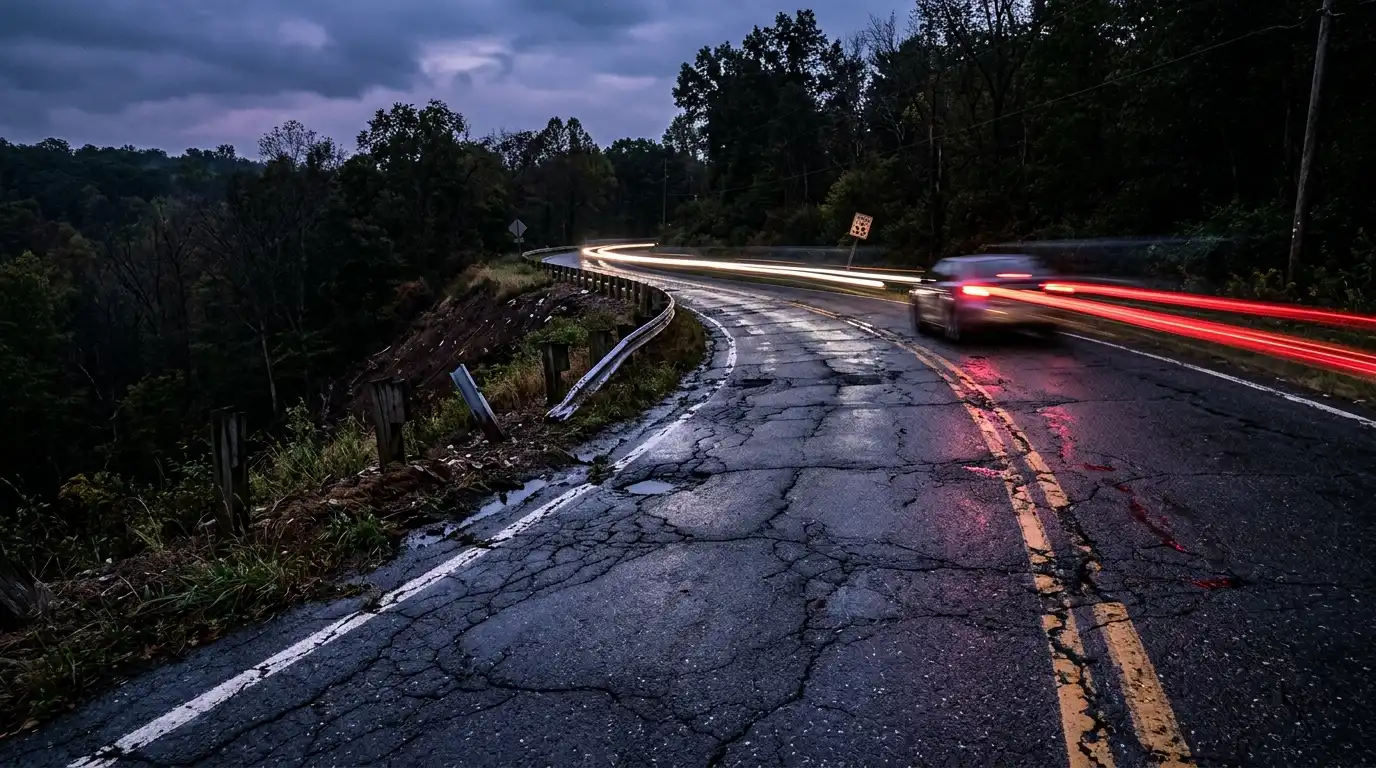
When drivers think about the causes of motor vehicle collisions, distracted driving, speeding, and weather conditions are usually the top culprits. However, thousands of crashes each year occur not because of driver error, but because of improper road design, unmaintained infrastructure, or hazardous road conditions.
When a municipal, state, or federal government fails to design and maintain safe roadways, injured victims often wonder: Can you hold a government agency accountable for a car crash? The answer is yes, but navigating a claim involving public infrastructure requires understanding specific legal hurdles.
Common Types of Roadway Infrastructure Defects

Road safety relies on predictable engineering standards. When government entities or contractors fail to meet these standards, severe crashes can occur. Key infrastructure failures include:
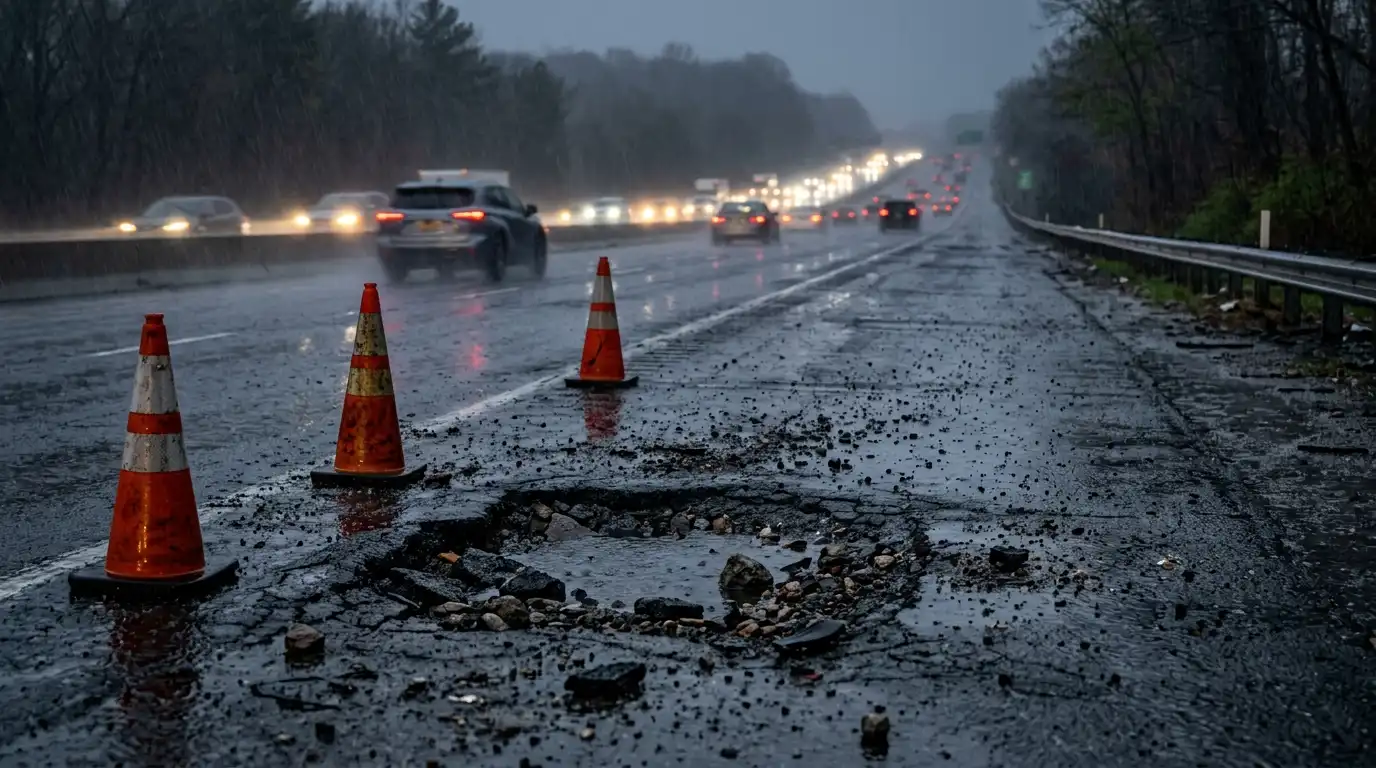
- Poor Road Surface Maintenance: Large potholes, unpaved shoulders, asphalt rutting, and unaddressed sinkholes.
- Hazardous Intersection Designs: Blind spots created by poor line-of-sight planning, improper traffic light timing, or missing signal heads.
- Inadequate Signage & Lighting: Missing yield or stop signs, obscured road signs due to unmaintained vegetation, and poor night lighting.
- Unsafe Construction Zones: Lack of proper barricades, confusing lane shifts, or debris left in high-speed travel lanes.
- Missing or Defective Guardrails: Substandard guardrail installations that fail upon impact or impale vehicles rather than absorbing collision forces.
Understanding Sovereign Immunity and Tort Claims

Filing a claim against a government entity is significantly different from suing a private driver or insurance company. Historically, the legal doctrine of sovereign immunity protected government bodies from being sued. Today, most states have enacted Tort Claims Acts that partially waive this immunity, allowing citizens to seek compensation for personal injuries caused by public negligence.
However, to succeed in a defective roadway claim, plaintiffs must typically prove:
- The government agency had a legal duty to maintain or properly design the roadway.
- A dangerous condition existed that created an unreasonable risk of injury.
- The government entity had actual or constructive notice of the hazard prior to the crash and failed to fix it within a reasonable time.
- The dangerous condition was the direct cause of the accident and resulting injuries.
Crucial Notice Deadlines for Infrastructure Claims
Unlike standard personal injury claims—which often have a statute of limitations ranging from two to four years—claims against government bodies carry extremely strict, abbreviated notice requirements. In many jurisdictions, an injured party must file a formal Notice of Claim within 60 to 180 days of the incident. Failing to file this notice on time can permanently forfeit your right to financial recovery.
Proving Fault: The Role of Accident Reconstruction
Building a successful lawsuit based on poor infrastructure requires immediate evidence gathering. Accident reconstruction experts, civil engineers, and legal teams analyze physical evidence such as skid marks, highway design blueprints, historical crash data for the intersection, and maintenance logs obtained through public records requests.
If you or a loved one were involved in a crash caused by a dangerous road condition, working with experienced traffic accident attorneys ensures that critical evidence is preserved and strict government filing deadlines are met.