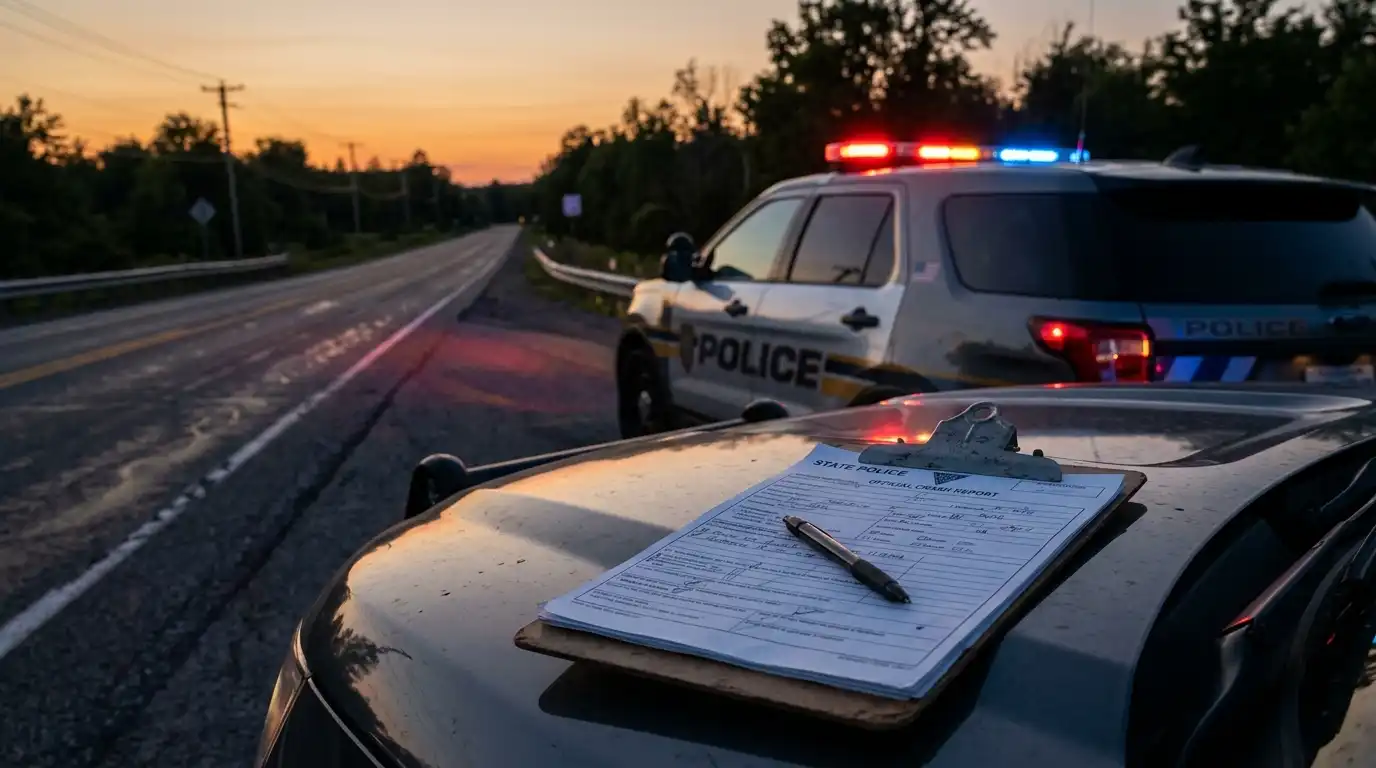
In the high-stress aftermath of a motor vehicle collision, dealing with law enforcement, paramedics, and damaged vehicles can feel overwhelming. Once emergency responders clear the scene and traffic resumes, a critical document remains behind: the official police crash report. Whether drafted by a state trooper, county sheriff, or municipal officer, this official investigation record serves as the initial foundation for virtually every personal injury claim that follows.
Understanding how police crash reports affect injury claims is essential for any accident victim seeking fair financial recovery. Insurance adjusters rely heavily on these preliminary records when determining initial fault, assigning liability percentages, and calculating settlement offers. However, while police reports carry substantial weight, they are not always infallible. Knowing how officers compile these documents—and what steps to take if errors occur—can significantly impact the outcome of your case.
What Responding Officers Document at the Scene
When law enforcement arrives at an accident scene, their immediate priorities are securing public safety, coordinating medical emergency services, and restoring traffic flow. Once those urgent needs are met, the officer begins documenting the circumstances surrounding the collision.
An official police collision report typically includes several detailed sections:
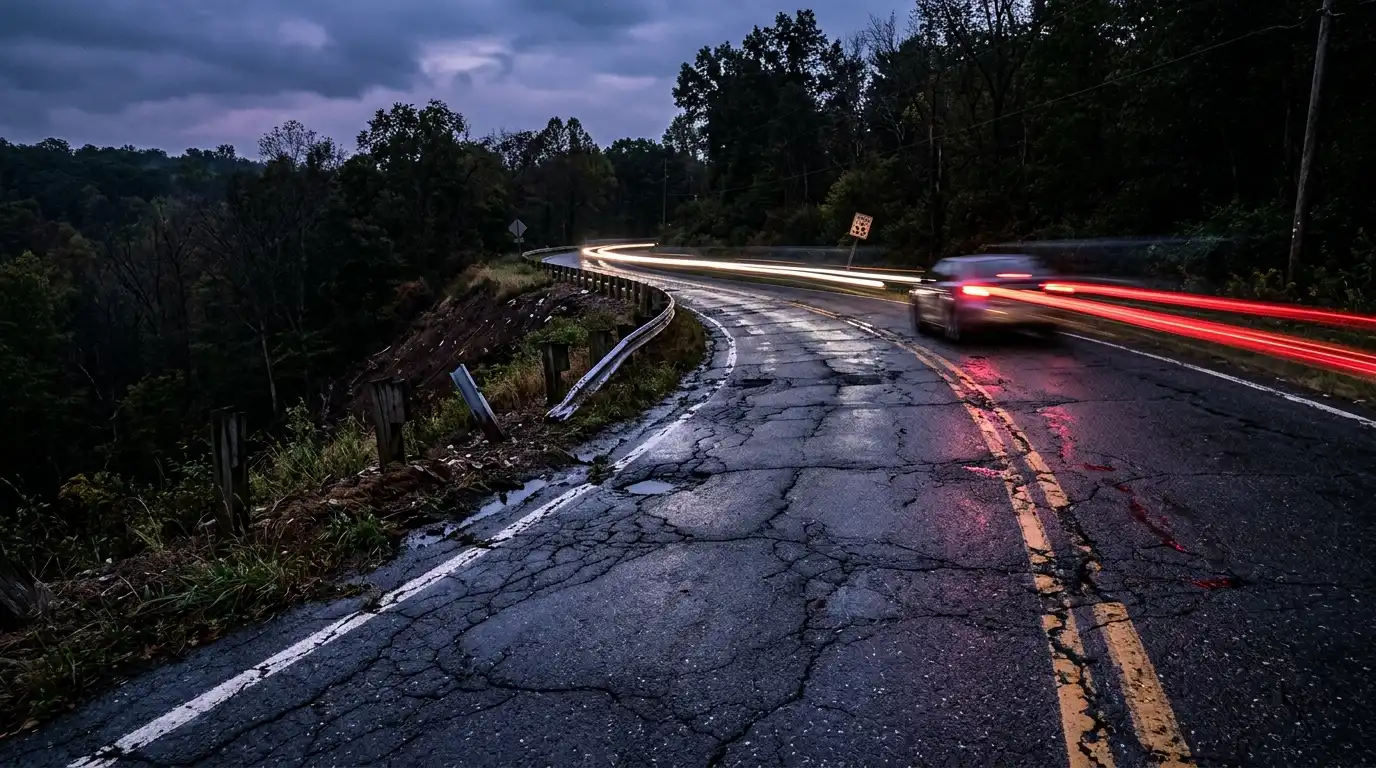
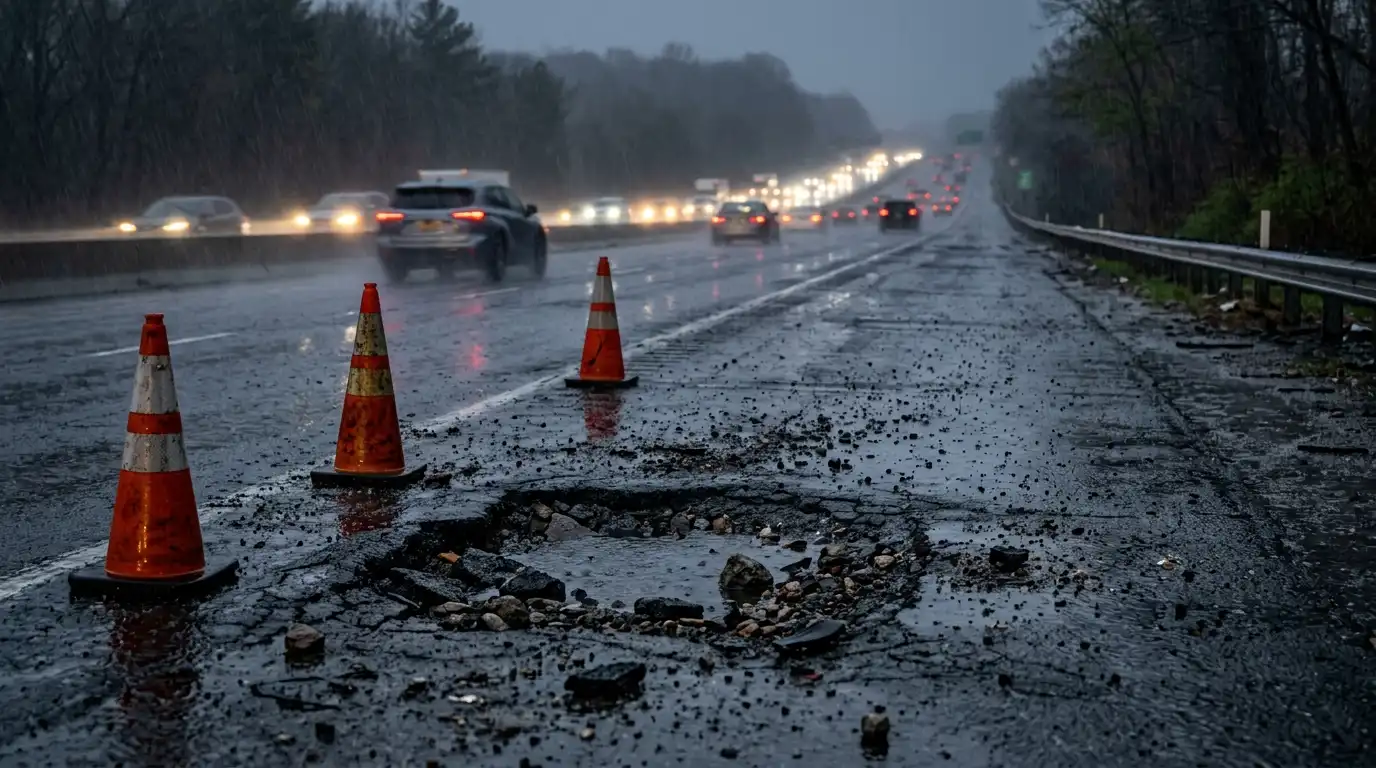
- Basic Identification Details: Date, time, location, weather conditions, road surface state, lighting, and ambient visibility.
- Party and Vehicle Information: Driver’s license numbers, vehicle identification numbers (VINs), registration details, and insurance carrier information for all involved motorists.
- Preliminary Narrative & Diagram: A written summary of how the officer believes the crash occurred, accompanied by a visual diagram illustrating vehicle directions, point of impact, and final resting positions.
- Driver and Witness Statements: Summaries of initial accounts provided by involved drivers, passengers, and disinterested bystanders at the scene.
- Traffic Violations & Citations: Documentation of any traffic law infractions noted, such as speeding, failure to yield, running a red light, or driving under the influence.
- Physical Evidence Observations: Notes regarding skid marks, vehicle debris fields, deployed airbags, mechanical failures, or property damage.
How Insurance Companies Evaluate Crash Reports
After you submit a claim, the insurance adjuster assigned to your case will immediately request a copy of the official accident report. Claims representatives use this document as an objective third-party summary to assess financial exposure and establish fault.
If the investigating officer issues a citation to the other driver or explicitly notes that the opposing party failed to yield, the insurance carrier will often accept primary liability early in the process. Conversely, if the report contains conflicting statements, vague notes, or assigns shared fault, the insurance company will likely leverage those ambiguities to delay, reduce, or deny your payout. Resources provided by the National Highway Traffic Safety Administration highlight how standardized crash reporting guidelines help agencies collect accurate roadway safety data, which in turn influences insurance risk assessments.
It is important to remember that insurance adjusters are trained to interpret police reports in a manner that minimizes carrier payout liability. Even a minor oversight or neutral phrasing in the officer’s notes can be weaponized against an injured claimant.
Common Errors in Official Police Reports
While law enforcement officers undergo rigorous training, they are human and often operate under chaotic, time-sensitive conditions. Officers frequently arrive after the vehicles have been moved, forcing them to reconstruct events based solely on conflicting statements and secondary physical evidence.
Common inaccuracies found in police collision reports include:
- Factual Misstatements: Transposed driver names, incorrect vehicle makes or models, inaccurate street directions, or wrong insurance policy numbers.
- Omitted Witnesses: Failing to interview key eyewitnesses who left the scene prior to the officer’s arrival or whose contact details were never recorded.
- Incomplete Injury Records: Marking “no injuries reported” simply because an accident victim was in shock, experienced delayed pain, or did not immediately request an ambulance at the scene.
- Misconstrued Statements: Misinterpreting a driver’s polite statement (such as “I’m sorry this happened”) as an admission of legal fault or liability.
The Role of Independent Accident Reconstruction
 Many injury victims wrongly assume that an unfavorable or incomplete police report permanently sinks their legal claim. In reality, a police report is a preliminary assessment—not an unchallengeable legal verdict. In civil court proceedings, officers’ opinion conclusions regarding legal fault are often excluded as hearsay, requiring primary physical evidence to prove liability.
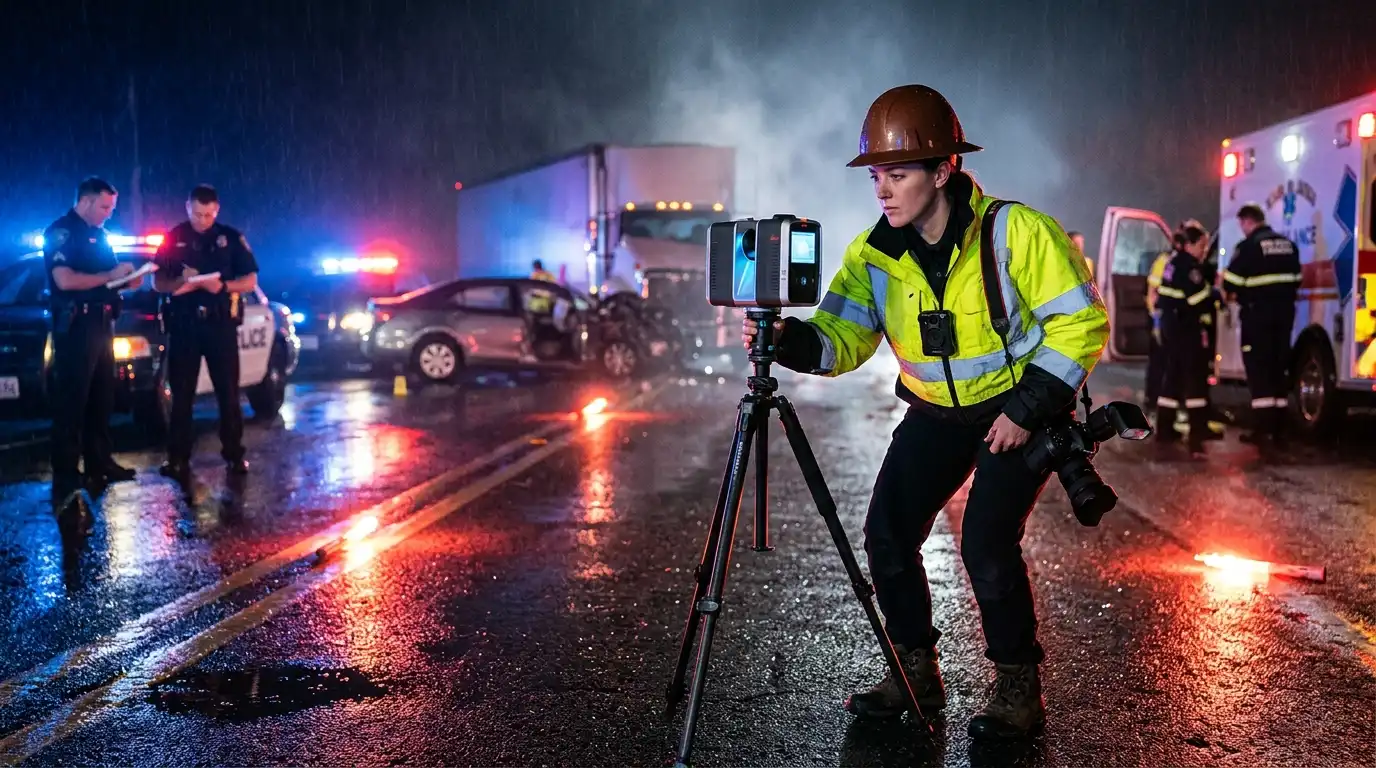
When liability is disputed, personal injury attorneys work with professional crash reconstruction experts. These specialists conduct in-depth investigations that go far beyond the initial police report, examining key evidence such as:
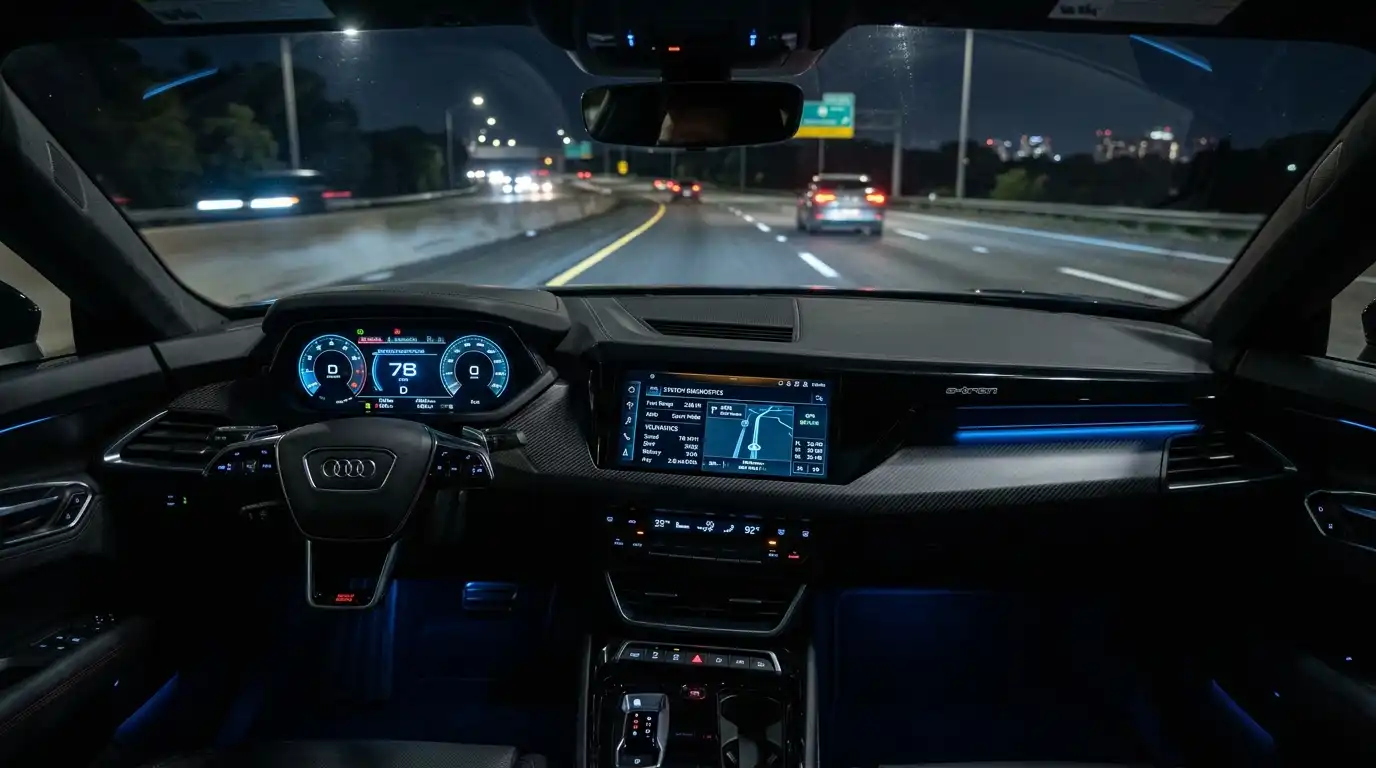
- Event Data Recorders (EDRs): Extracting “black box” data from vehicles to analyze pre-crash speed, brake application, steering input, and seatbelt usage.
- Surveillance & Dashcam Footage: Sourcing security camera footage from neighboring businesses, traffic cameras, or nearby vehicle dashcams.
- Physical Forensic Analysis: Measuring tire mark friction coefficients, vehicle crush depths, and debris dispersal patterns to mathematically determine speeds and collision angles.
For additional details on how physical roadway evidence is collected and analyzed during formal safety audits, reviewing guidelines from state departments like the California Department of Transportation offers valuable perspective into highway collision investigation standards.
Steps to Request and Amend Your Accident Report
If you discover errors on your official police report following a collision, taking prompt corrective action is critical to protecting your health and financial recovery rights. Here is the recommended course of action:
- Obtain an Official Copy: Contact the responding law enforcement agency (city police department, county sheriff, or highway patrol) or visit their online portal to request a certified copy of the report.
- Review Every Detail Carefully: Compare the report against your own recollection, photos taken at the scene, vehicle repair estimates, and medical treatment logs.
- Distinguish Between Factual Errors and Disputed Opinions: Factual mistakes (such as a misspelled name or incorrect insurance policy) can usually be corrected easily by contacting the investigating officer with supporting documentation. Disputed opinions (such as who had the green light) require submitting a formal supplemental statement to be attached to the main record.
- Consult an Auto Injury Attorney: Before attempting to dispute a complex police report directly with law enforcement or insurance adjusters, consult an experienced attorney who can handle official communications on your behalf.
Final Thoughts: Protecting Your Injury Claim
An official police report is one of the most powerful initial tools in a motor vehicle accident investigation, but it should never be the only evidence supporting your claim. By understanding how insurance companies use these documents and taking proactive steps to gather independent evidence, you can safeguard your rights and secure the compensation you deserve.
If you or a loved one was recently injured in a collision and face an inaccurate police report or a disputed insurance claim, seeking a comprehensive legal evaluation can help set the record straight.